A Shark vacuum only performs as well as the care it receives. Dust-clogged filters, tangled brush rolls, and hidden blockages slowly drain suction and strain the motor. The good news? You can prevent nearly every common issue with a few simple habits. This guide on how to maintain a Shark vacuum walks you through every essential task. You will learn exactly when to empty the bin, wash the filters, remove hair wrap, and replace worn parts.
Empty the Dustbin After Every Use
A packed dustbin blocks airflow, weakens suction, and can cause the motor to overheat. Emptying it routinely keeps your vacuum running at full power.
Make Emptying a Post-Clean Habit
Detach the dustbin the moment you finish vacuuming. Open the bottom release door and tap the contents into a trash can. Even small amounts of debris can compact and restrict airflow if left inside.
Rinse the Bin Once a Month
Dust and hair stick to the inner walls over time. Remove the bin once a month and rinse it under lukewarm water. Let it air dry completely for at least 24 hours before snapping it back on. Never reinstall a damp bin.
Clean or Replace the Filters on Schedule
Filters trap fine dust and allergens, but when they clog, suction drops and odors develop. Most Shark models use two filters that need different care routines.
Find and Remove Both Filters
Your Shark likely has a pre-motor foam filter and a post-motor felt or HEPA filter. Check your user manual for exact locations. Most sit near the dustbin or behind the motor housing. Pull them out gently.
Wash the Foam Filter Monthly
Rinse the foam filter under cool running water until the water runs clear. Do not use soap, detergent, or a washing machine. Squeeze it gently without twisting, then set it out to air dry for 24 hours.
Replace the Felt or HEPA Filter Every 6 to 12 Months
Felt and HEPA filters cannot be washed. Replace them every 6 to 12 months based on how often you vacuum. Homes with pets or allergy sufferers should replace them closer to the 6-month mark for cleaner air.
Remove Hair and Debris from the Brush Roll
Hair, string, and fibers wrap tightly around the roller, making it spin poorly or stop completely. A struggling brush roll burns extra energy and can snap the belt.
Power Down Before You Start
Turn off the vacuum and unplug it. For cordless models, remove the battery. This step is critical for safety before any brush roll work.
Cut Away Tangled Hair Carefully
Use scissors or a seam ripper to slice through wrapped hair and fibers. Pull the debris off by hand, rotating the roller to reach every side. Work slowly so you do not cut the bristles or damage the bearings.
Confirm the Roller Spins Freely
After cleaning, spin the brush roll by hand. It should rotate smoothly with no resistance. A stuck roller can trigger error lights or overheat the motor during use.
Inspect for Blockages in the Airflow Path

Sudden suction loss usually means a clog somewhere in the wand, hose, or nozzle. Checking these spots every few weeks prevents performance drops.
Look Through the Wand and Hose
Detach the wand and hose. Shine a flashlight through both ends to spot hidden debris. Use a long brush, pipe cleaner, or a bent wire hanger to push out the clog. Never use water inside these parts.
Check the Floor Nozzle and Swivel Joint
Look at the opening where the brush roll sits. Remove any debris stuck near the front or sides. On models with a swivel joint, debris can hide there too. Clear it out to restore full airflow.
Wipe Down the Exterior, Cords, and Attachments
Dust on the outside can work its way into the motor and electronics. A quick monthly wipe-down keeps everything looking and working better.
Clean the Body with a Damp Cloth
Lightly dampen a soft cloth with water or a mild cleaner. Wipe the canister, handle, wand, and all attachments. Avoid soaking any surface. Moisture can damage internal electronics and cause rust.
Care for the Power Cord
For corded Shark vacuums, wipe the cord and plug with a dry or barely damp cloth. Coil the cord loosely after each use to prevent fraying and internal wire damage. Never pull the vacuum by the cord.
Store the Vacuum Correctly
Where and how you store your vacuum affects its long-term reliability. A few small habits protect the motor, battery, and structural parts.
Always Store Upright
Use the built-in stand or parking position. Keeping the vacuum upright prevents strain on the neck, hose, and handle joints. It also keeps the vacuum ready for the next cleaning session.
Choose a Dry Indoor Location
Avoid damp basements, garages, or outdoor sheds. Moisture invites mold, mildew, and corrosion. A dry closet, pantry, or utility room is the best home for your vacuum between uses.
Replace Worn Parts Before They Fail
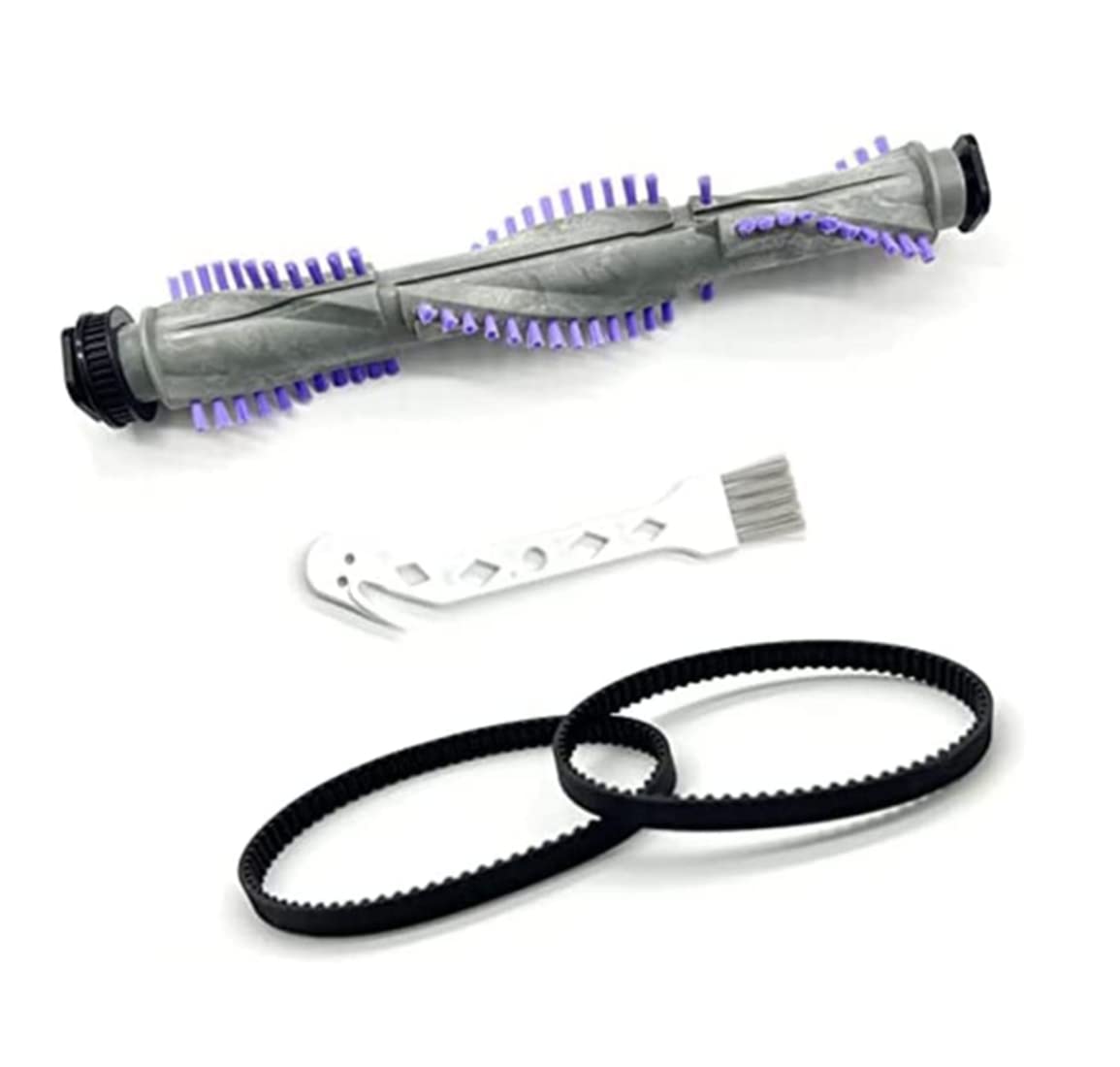
Even with perfect care, belts, wheels, and attachments eventually wear out. Catching these early prevents breakdowns and protects the motor.
Inspect the Belt Every 6 to 12 Months
A slipping, broken, or stretched belt stops the brush roll from spinning. You might also notice a burning rubber smell. Replace the belt every 6 to 12 months, or sooner if it shows visible damage.
Check Wheels and Attachments
Wheels collect hair and debris that can cause cracks or wobbly movement. Clean them regularly and replace any that feel loose. Inspect crevice tools and upholstery brushes for clogs and replace them if they no longer perform well.
Follow Model-Specific Maintenance Tips
Each Shark line has unique features that need slightly different care. These tips cover the most common models.
Cordless Shark ION Models
- Wipe the charging contacts monthly with a dry cloth to maintain a strong connection.
- Remove the battery if you will not use the vacuum for several weeks.
- Unplug the charger once the battery is full to prevent overcharging.
Shark Navigator Lift-Away Models
- Clean the dust cup seal regularly to prevent fine dust leaks.
- Lightly lubricate the locking mechanism with silicone spray if it feels stiff.
- Make sure the hose connection between the canister and pod is secure before each use.
DuoClean and Anti-Hair Wrap Models
- Clean both rollers after every use, especially between the dual brushes.
- Use the included anti-hair wrap tool to make hair removal faster and easier.
- Inspect the soft texture guard fins for damage or clogs that reduce performance.
Frequently Asked Questions About Shark Vacuum Maintenance
How often should I clean my Shark vacuum filters?
Wash the foam filter once a month and let it air dry for 24 hours. Replace the felt or HEPA filter every 6 to 12 months, depending on usage and whether you have pets.
Why does my Shark vacuum smell bad even after emptying the bin?
A bad odor usually means a dirty filter, trapped hair on the brush roll, or debris stuck in the hose. Cleaning the filters and clearing blockages typically removes the smell.
Can I wash all Shark vacuum filters with water?
No. Only the foam pre-motor filter is washable. Felt and HEPA post-motor filters must be replaced, since water damages their filtration material.
How do I know when to replace the belt on my Shark vacuum?
Replace the belt every 6 to 12 months, or immediately if the brush roll stops spinning or you smell burning rubber. A loose or glossy belt also signals it is time for a new one.
Is it safe to use soap to clean Shark vacuum parts?
Avoid soap on filters and internal parts, since residue can clog the material. Use only water for the dustbin and foam filter, and a mild cleaner on exterior surfaces with a damp cloth.
Where should I store my Shark vacuum when not in use?
Store it upright in a dry indoor space like a closet or pantry. Avoid damp basements, garages, and direct sunlight, all of which can damage electronics and battery life.
Key Takeaways for Maintaining Your Shark Vacuum
A few minutes of care each month can add years to your Shark vacuum’s life. Empty the dustbin after every use, wash the foam filter monthly, and replace the felt or HEPA filter every 6 to 12 months. Cut hair from the brush roll weekly and check the wand and hose for clogs whenever suction drops. Wipe down the exterior, store the vacuum upright in a dry spot, and replace belts or worn parts the moment you notice a problem. Start with these habits today, and your Shark vacuum will deliver strong, reliable cleaning for years to come.