Choosing the right vacuum cleaner can transform cleaning from a frustrating chore into a quick, satisfying task. With countless models available, the wrong choice often leads to poor performance, early breakdowns, and wasted money. The secret to success lies in matching the vacuum to your home, not chasing the most expensive model on the shelf.
This guide walks you through every factor that actually matters when selecting a vacuum. You will learn how flooring type, suction power, filtration, and ergonomics impact real-world performance. By the end, you will know exactly what to look for, what to ignore, and how to pick a vacuum that fits your budget and cleaning needs.
Match Vacuum Type to Your Flooring

Your flooring is the single most important factor in choosing a vacuum. The wrong model can scratch surfaces, leave debris behind, or fail to lift embedded dirt from carpet fibers.
Hard Floors Need Soft Brushes and Adjustable Suction
Vacuums with stiff brush rolls can scratch wood, laminate, or tile surfaces. For hard flooring, prioritize models with:
– Soft brush rollers designed for hard surfaces
– Adjustable suction to prevent scattering fine dust
– Dedicated hard floor attachments with felt pads or microfiber brushes
If your home is mostly hard flooring, a vacuum with automatic surface detection can switch to gentler settings without manual adjustment.
Carpets Require Strong Suction and a Motorized Brush
Thick carpets trap dirt deep within fibers where weak vacuums cannot reach. Effective carpet cleaning requires:
– High suction power (at least 150 air watts)
– A motorized brush roll that agitates carpet fibers
– Height adjustment to match different pile thicknesses
Without a powered brush, a vacuum only removes surface debris, leaving deep dirt behind.
Mixed Floors Need Versatile Performance
Most homes contain a combination of carpet and hard flooring. For these spaces, look for vacuums that offer:
– Auto-sensing floor detection that switches settings automatically
– Interchangeable or adjustable brush heads
– One-touch mode switching between surface types
This versatility saves time and ensures consistent cleaning results across your entire home.
Understand Suction Power and Brush Performance
Suction power and brush roll design determine how well a vacuum actually cleans, far more than specifications alone suggest.
Focus on Air Watts, Not Just Wattage
Manufacturers often advertise motor wattage, but this number does not reflect real cleaning ability. Instead, measure performance using air watts (AW):
– 100–150 AW: Suitable for small apartments and hard floors
– 150–200 AW: Ideal for mixed flooring or low-pile carpet
– 200+ AW: Best for thick carpets or homes with pets
High air watt ratings mean little without proper airflow design. Always check independent reviews for real-world performance data.
Motorized Brush Roll Is Essential for Carpets
The brush roll lifts dirt from carpet fibers that suction alone cannot reach. Key features include:
– Self-cleaning or anti-tangle designs that prevent hair wrap
– Easy-access compartments for removing tangled hair
– Rubber or nylon bristles that resist wear and static buildup
For pet owners, tangle-free brush technology saves significant maintenance time and frustration.
Verify Performance Through Independent Testing
Manufacturer specifications often overstate real performance. Before buying:
– Watch side-by-side cleaning videos comparing models
– Check independent reviews for debris pickup tests
– Test the vacuum in person when possible to feel suction strength and maneuverability
Evaluate Weight, Maneuverability, and Noise

A vacuum should make cleaning easier, not become a workout. Poor ergonomics lead to skipped sessions and physical strain.
Choose a Lightweight, Balanced Design
For comfortable daily use, prioritize:
– Weight under 12 lbs for uprights, under 6 lbs for cordless stick models
– Swivel steering for tight turns around furniture
– Low center of gravity to prevent tipping
For stairs or multi-level homes, a lightweight cordless stick vacuum is often the most practical choice.
Consider Cordless vs. Corded Trade-Offs
Each power source has distinct advantages:
- Cordless vacuums offer greater maneuverability and convenience but limited runtime
- Corded vacuums provide unlimited runtime but restrict movement by cord length
If you own a large home, consider cordless models with interchangeable batteries for extended cleaning sessions.
Keep Noise Under Control
Some vacuums exceed 80 decibels, comparable to a garbage disposal. Quieter operation matters if you:
– Work from home
– Have babies or noise-sensitive pets
– Clean during early morning or late evening hours
Aim for models under 75 dB with noise-reducing technology for a more pleasant experience.
Check Battery and Charging for Cordless Models

Cordless vacuums provide unmatched convenience, but only when the battery supports your cleaning routine.
Aim for at Least 40 Minutes of Runtime
- Small apartments: 30–40 minutes suffices
- Medium to large homes: 50–60 minutes recommended
- Homes with pets or multiple floors: 60+ minutes or dual batteries
Keep in mind that runtime naturally decreases as the battery ages over time.
Choose Fast Charging Under 4 Hours
- Standard charging: 3–4 hours
- Quick charge features: Some models offer 10 minutes of charge for 10 minutes of runtime
- Removable batteries: Allow charging a spare while cleaning continues
Faster charging is a major advantage for daily cleaners.
Watch for Balanced Weight Distribution
Lithium-ion batteries add weight, often concentrated in the main body. This can make the vacuum front-heavy and awkward on stairs. Look for models with:
– Balanced weight distribution
– Ergonomic handle placement
– Wall-mount storage to reduce carrying strain
Select the Right Filtration System
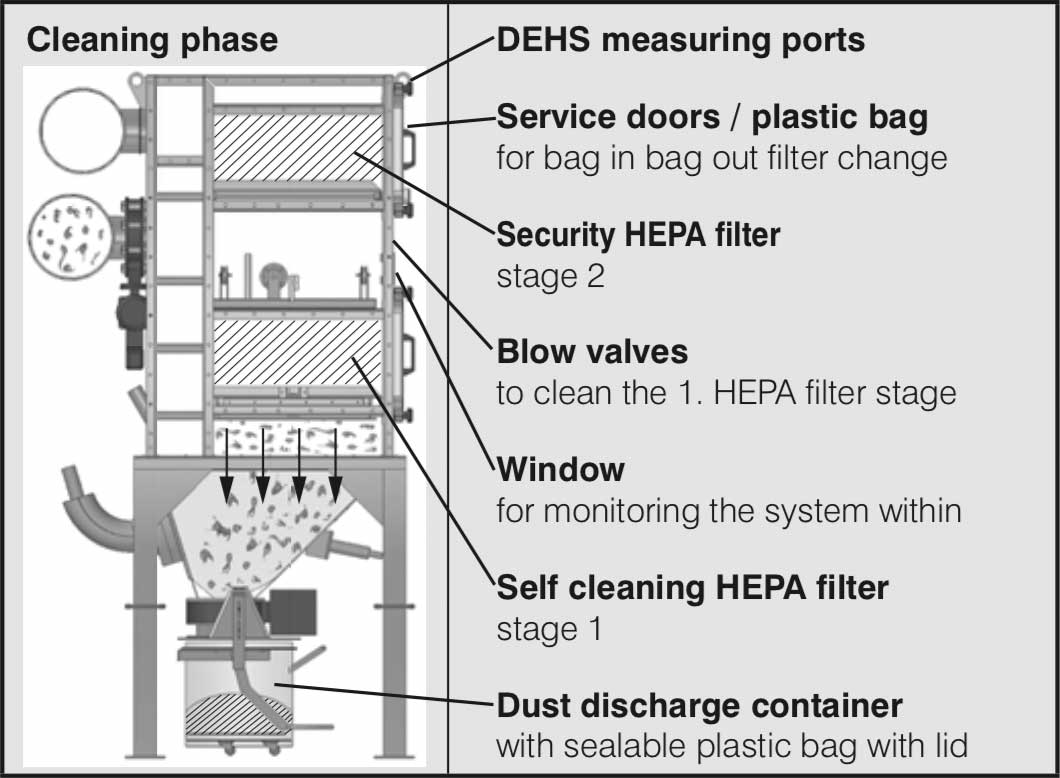
Filtration affects not only floor cleanliness but also the air you breathe indoors.
HEPA Filtration Is Essential for Allergies
A true HEPA filter captures 99.97% of particles as small as 0.3 microns, including:
– Dust mites
– Pollen
– Pet dander
– Mold spores
If anyone in your home suffers from allergies, asthma, or respiratory issues, HEPA filtration is non-negotiable. Ensure the system is fully sealed, since leaks around filters negate their benefits.
Compare Bagged and Bagless Systems
Each dust containment method has clear advantages:
Bagged systems maintain consistent suction as bags fill, offer more hygienic emptying, and trap fine particles more effectively. However, they require ongoing bag purchases.
Bagless systems eliminate bag costs, allow visual monitoring of dust collection, and suit budget-conscious buyers. However, suction can decline as bins fill, and emptying may expose users to dust.
Best for allergies: Bagged models with HEPA filtration provide the cleanest air and most hygienic disposal.
Match Dustbin Capacity to Your Home Size
- 0.5–0.7L: Suitable for small apartments or quick touch-ups
- 0.8–1.2L: Ideal for average homes
- 1.5–2L: Best for large homes, pets, or infrequent emptying
Larger bins mean fewer interruptions but add weight when full.
Don’t Overlook Attachments and Accessories
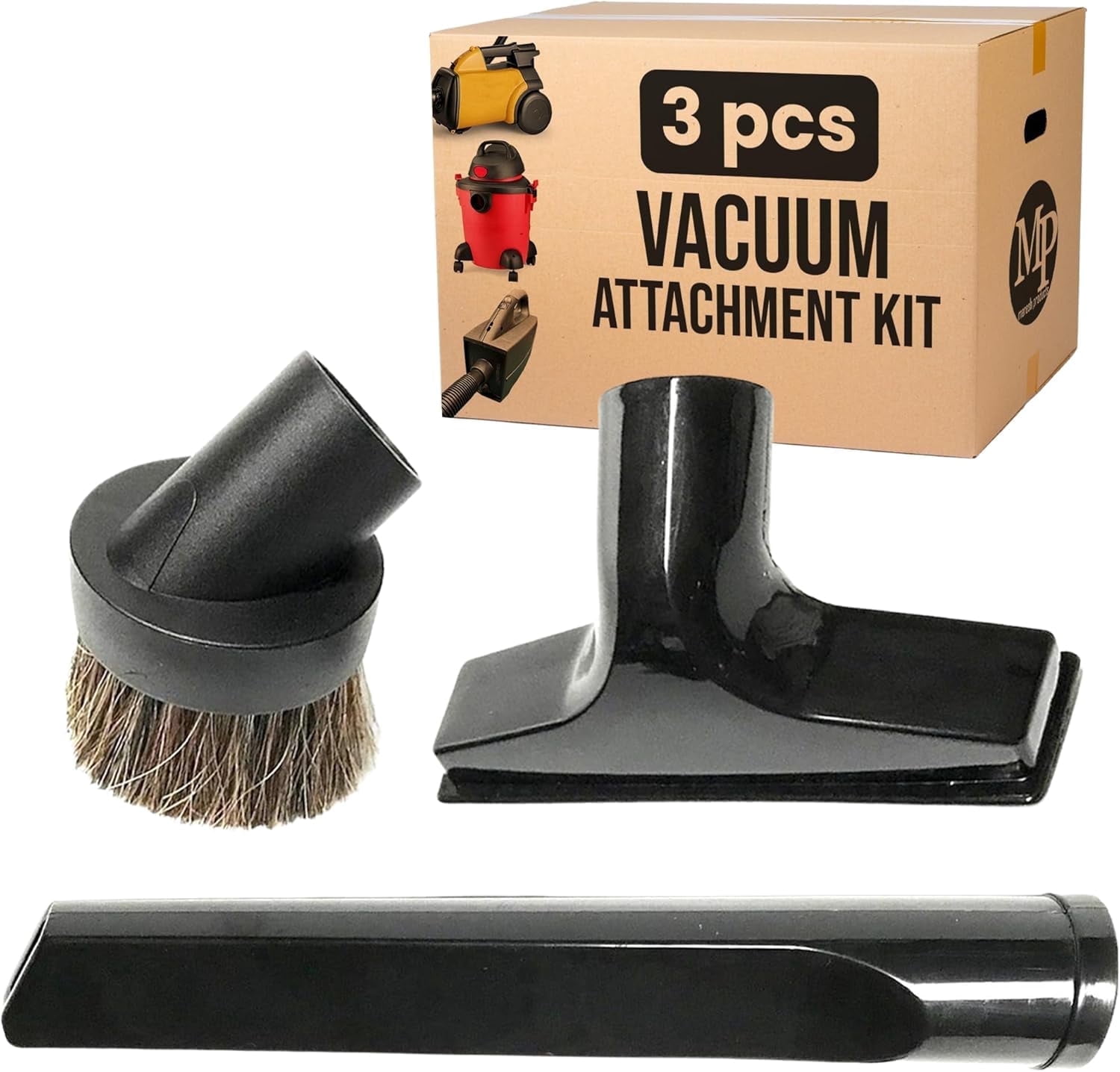
Attachments turn a basic vacuum into a complete cleaning system for your entire home.
Must-Have Attachments for Versatile Cleaning
- Crevice tool: Reaches tight spaces between cushions, baseboards, and corners
- Upholstery tool: Cleans sofas, car seats, and curtains
- Dusting brush: Safe for blinds, electronics, and lampshades
- Pet hair tool: Specialized for removing fur from furniture and stairs
Onboard Storage Prevents Lost Tools
Vacuums with built-in docks, magnetic holders, or clip-on compartments keep attachments secure and accessible. Without onboard storage, small tools get lost quickly.
Specialized Tools Address Specific Needs
Consider whether you need:
– Motorized pet tools for deep-cleaning pet beds and furniture
– Extension wands for high ceilings and ceiling fans
– Hard floor soft rollers to protect delicate surfaces
Verify these tools are included or available before purchasing.
Assess Build Quality and Long-Term Durability
A quality vacuum should last 5–7 years with regular use, while cheap models often fail within 1–2 years.
Avoid Plastic-Heavy Construction
Look for these durability indicators:
– Metal joints at hinges and wand connections
– Reinforced wheels that resist cracking
– Durable polymer brush roll housings
Brands with strong reputations for build quality often use higher-grade materials throughout.
Confirm Replacement Parts Are Available
Long-term ownership depends on part availability for:
– Pre-motor and post-motor filters
– Brush rolls
– Batteries (for cordless models)
– Hoses and belts
If replacement parts are unavailable, the vacuum becomes e-waste when a single component fails.
Compare Brands, Warranty, and Customer Support
Brand reputation often reflects product reliability and service quality.
Trusted Vacuum Brands Worth Considering
- Dyson: Premium performance and innovative technology at higher prices
- Shark: Strong value with excellent pet hair tools
- Miele: German engineering with superior durability and filtration
- Bissell: Budget-friendly options for pet owners
Established brands typically offer better parts availability and service networks.
Look for 2–5 Year Warranties
- Warranties under 2 years may signal low manufacturer confidence
- Warranties of 5+ years are common with Miele and select premium models
- Register your warranty promptly, as many require online registration
Review what components are covered, since motor, battery, and brush roll coverage varies by brand.
Customer Support Affects Long-Term Satisfaction
Research online reviews for mentions of:
– Replacement part shipping times
– Customer service responsiveness
– Repair costs compared to replacement
A great vacuum becomes a liability when support is unresponsive.
Set a Realistic Budget and Consider Total Ownership Costs
Vacuums range from $50 to over $1,000, but price alone does not determine value.
Budget Tiers and Expected Performance
- $50–$150: Basic suction, limited features, shorter lifespan
- $150–$300: Strong suction, HEPA filtration, good attachments
- $300–$600: Premium performance, advanced filtration, smart features
- $600+: Top-tier models with self-emptying bins, app control, dual batteries
The $150–$300 range delivers excellent performance for most households.
Calculate Total Cost of Ownership
Consider ongoing expenses beyond the purchase price:
– Bagged models: $10–$20 per bag, replaced every 1–3 months
– Filters: $15–$40 each, replaced every 6–12 months
– Replacement batteries: $100+ after 2–3 years for cordless models
A $200 vacuum with $50 in annual consumables costs $400 over 4 years, similar to a $400 model with lower running costs.
Avoid These Common Buying Mistakes
Even experienced buyers make these costly errors. Sidestep them to save time and money.
Don’t Pay for Gimmicky Features
Avoid spending extra on:
– LED headlights that look impressive but offer minimal cleaning benefit
– Smartphone apps that rarely improve actual performance
– Decorative color options that add cost without function
Focus on core performance metrics: suction, filtration, brush design, and ease of use.
Never Accept Poor Dust Containment
Vacuums that leak dust during emptying defeat the purpose of cleaning. Look for:
– Sealed systems with quality gaskets
– Bagged models or self-emptying bins for mess-free disposal
– Hygienic bottom-release bin mechanisms
Inspect Build Quality Before Buying
Red flags include:
– Cracks near joints after minimal use
– Brush rolls that stop spinning within months
– Hoses that kink or detach easily
Flex the hose, roll the wheels, and test the buttons in person when possible.
Match the Vacuum to Your Actual Home
- Large home? Avoid cordless models with 20-minute runtime
- Mostly hard floors? Skip heavy carpet-focused uprights
- Allergy sufferers? Never skip HEPA filtration
- Small apartment? Avoid bulky canister models
The right vacuum addresses your specific challenges, not someone else’s.
Final Checklist Before You Buy
Run through this verification list before making your purchase:
- Flooring match: Does it clean your specific surfaces effectively?
- Suction power: 100–200 AW for most homes
- Filtration: HEPA if you have allergies or pets
- Attachments included: Crevice, brush, and upholstery tools
- Weight and maneuverability: Comfortable for your needs
- Battery life: At least 40 minutes for cordless models
- Warranty: 2+ years with clear component coverage
- Replacement parts: Filters, brush rolls, and batteries available
- User reviews: Check for consistent complaints
- Storage fit: Confirm it fits in your designated space
Frequently Asked Questions About Choosing a Vacuum Cleaner
What suction power do I need for a vacuum cleaner?
For most homes, 100–200 air watts (AW) provides effective cleaning. Smaller apartments with hard floors need only 100–150 AW, while homes with thick carpets or pets benefit from 150–200 AW or more. Focus on air watts rather than motor wattage for accurate performance comparison.
Are HEPA filters worth the extra cost?
Yes, if anyone in your home has allergies, asthma, or pets. HEPA filters capture 99.97% of particles as small as 0.3 microns, including dust mites, pollen, and pet dander. This significantly improves indoor air quality. Ensure the filtration system is fully sealed, as leaks reduce effectiveness.
How long should a vacuum cleaner last?
A quality vacuum should last 5–7 years with regular use. Models with metal components, reinforced joints, and available replacement parts typically achieve this lifespan. Cheap vacuums with plastic-heavy construction often fail within 1–2 years, making them more expensive long-term.
Cordless or corded: which is better?
Cordless vacuums offer superior maneuverability and convenience for quick cleanups and small homes. Corded models provide unlimited runtime and consistent power for deep cleaning large spaces. Consider a cordless model with interchangeable batteries if you want both convenience and extended runtime.
How important are vacuum attachments?
Attachments significantly expand a vacuum’s usefulness throughout your home. Essential tools include a crevice tool for tight spaces, an upholstery tool for furniture, and a dusting brush for delicate surfaces. Pet owners should look for specialized pet hair tools. Onboard storage keeps these accessories accessible.
What is the best vacuum for pet hair?
The best vacuum for pet hair combines strong suction (150+ AW), a tangle-free motorized brush roll, and HEPA filtration. Look for specialized pet tools and sealed dust containment systems. Brands like Shark, Dyson, and Bissell offer models specifically designed for pet households.
Key Takeaways for Choosing the Right Vacuum
Selecting the perfect vacuum comes down to matching features to your specific home and lifestyle. Start with your flooring type, since this determines whether you need soft brushes or powerful agitation. Prioritize suction power measured in air watts, HEPA filtration for clean air, and a brush roll designed for your surfaces.
Balance performance with practical considerations like weight, noise, battery life, and included attachments. Stick with reputable brands that offer solid warranties and accessible customer support. Set a realistic budget that accounts for long-term consumable costs like bags, filters, and replacement batteries.
Your next step: measure your largest room, identify your primary flooring type, and list your top three cleaning challenges (pets, allergies, stairs, or mixed surfaces). Use this information to filter your options down to two or three models that meet your core requirements. Read independent reviews and test your finalists in person whenever possible before making your final decision.