
A clogged vacuum hose can make even the most powerful machine feel useless. You push the vacuum back and forth, but debris stays put because suction has dropped to almost nothing. The cause is usually a hose packed with hair, dust, and hidden grime that no amount of vacuuming can remove on its own. Learning how to clean a vacuum hose the right way restores full suction, eliminates stubborn odors, and helps your vacuum last years longer.
In this guide, you will learn multiple proven methods for cleaning any hose type, from plastic and vinyl to electric and pleated models. We will also cover how to dry your hose properly, why pet odors linger, and which tools give the deepest clean. Whether you prefer natural solutions like baking soda and vinegar or heavy-duty enzymatic soaks, you will find the best approach for your situation.
Baking Soda and Vinegar Flush for a Fresh Hose Interior
This natural method uses a chemical reaction to scrub the inside of your hose while neutralizing odors at the same time.
Activate the Fizzing Reaction
Start by inserting a generous amount of baking soda into one end of the hose. Pour about 1.5 cups of white vinegar in after it. The mixture will foam immediately, so do this outside to avoid mess. Hold the hose upright, then lift and drop each end repeatedly. This motion pushes the bubbling solution through the entire length and loosens stuck-on grime.
This method works best on plastic and vinyl hoses. Skip it for rubber hoses or any hose with exposed electrical components.
Rinse Until Water Runs Clear
After one to two minutes of agitation, flush the hose with hot water. Run water through both ends until the liquid coming out is completely clear. Any cloudiness means residue remains and you need to keep rinsing.
Restore the Hose Exterior
While the hose is still wet, wipe the outside with a Magic Eraser to remove scuff marks. For tougher grime, spray an all-purpose cleaner like Mean Green first. This step also kills surface bacteria and brings back the original look.
Use a Vent Brush for Stubborn, Packed-In Debris
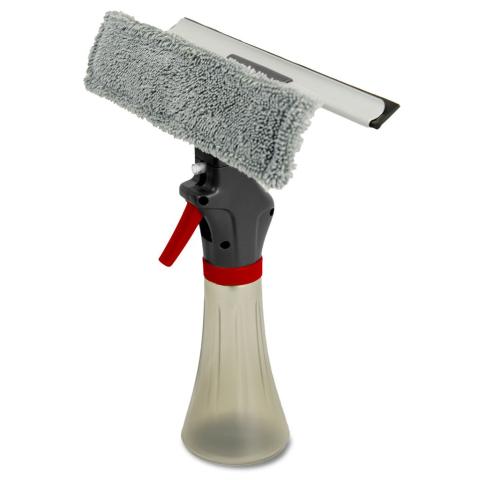
Water alone rarely removes everything clinging to hose walls, especially in long or heavily used models.
Pick the Right Brush Size
A 1.5-inch vent brush with soft bristles, such as the Libman brand, fits most standard vacuum hoses. For shop vac hoses or extra-long models, repurpose a tube bird feeder brush. Slide a wooden dowel into the handle to extend your reach into deep sections.
Scrub While Wet for Best Results
Pour warm water and a few drops of dish soap into the hose. Swish the liquid around to loosen buildup, then insert the brush. Twist and push it through the full length, working from both ends when possible. The combination of soap, water, and scrubbing removes biofilm, hair clumps, and dried residue.
Rinse thoroughly when finished. You will often see dark, dirty water flush out, proof of how much buildup was hiding inside.
Soak in Detergent to Remove Oils and Pet Smells

Skin oils from human contact and pet hair leave behind residues that simple rinsing cannot touch.
Soak in Hot, Soapy Water
Rinse loose debris from the hose outside first. Then submerge it in a laundry tub filled with hot water and liquid laundry detergent. Let it soak for at least 30 minutes, flexing the hose occasionally to work water into the folds. Strong detergents like the Costco brand cut through lanolin, the skin oil in pet hair that causes musty smells.
Add Lysol for Extra Disinfection
For deeper sanitation, replace the detergent with Original Brown Lysol cleaner. Mix it with warm water and submerge the hose for 15 to 20 minutes. Lysol kills bacteria and mold spores while deodorizing. Rinse extremely well afterward to remove all cleaner residue.
Enzymatic Cleaner for Persistent Pet Odors
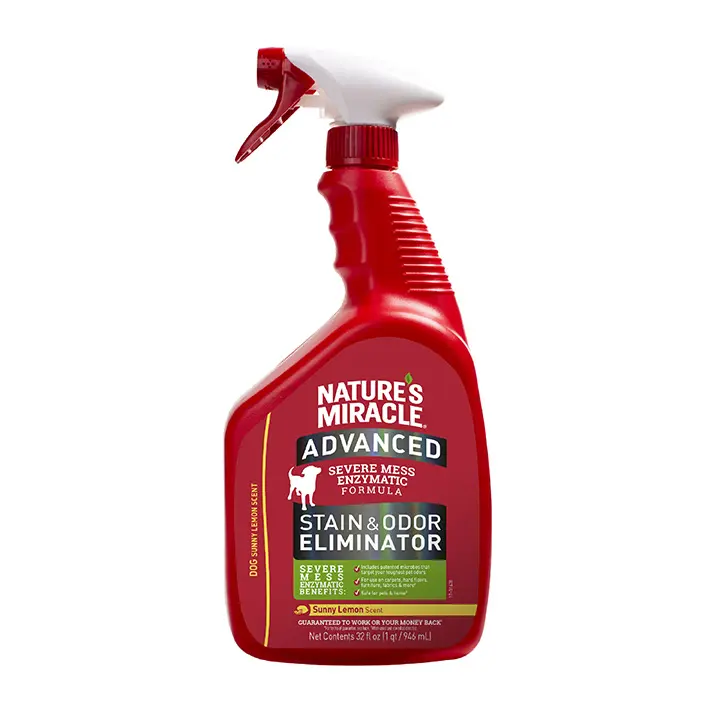
Pet households face unique odor challenges that standard cleaning methods often cannot solve.
Soak Overnight in Enzyme Solution
Use an industrial-grade enzymatic cleaner designed to break down organic matter. Submerge the hose fully and let it soak overnight. Enzymes digest proteins, fats, and oils at a molecular level, eliminating odor sources rather than just masking them.
This is the most effective method when your hose reeks after vacuuming pet hair, dander, or accident residue.
Why Pet Odors Linger in Hoses
The smell does not come from the hair itself. It comes from lanolin, a natural oil in animal skin and fur. As lanolin breaks down, it turns rancid and produces that classic wet dog odor. Dogs with oilier coats, like Retrievers, create stronger and longer-lasting smells. Dander also contains skin oils that decay over time. Enzymatic cleaners target these compounds directly, making them the top choice for pet owners.
Machine Cleaning Options for a Hands-Off Deep Clean
If you want to skip manual scrubbing, machines can do the work for you, with a few important rules.
Wash Only in a Front-Load Machine
Place the hose in a front-loading washing machine and run it on the gentle cycle. Use no detergent, or only a small amount if heavily soiled. The tumbling action scrubs the interior while the spin cycle removes excess water. Never use a top-load machine; the agitator can tangle or damage the hose.
Skip the Heat in the Dishwasher
Non-electric hoses can go in the dishwasher. Place them securely on the top rack and run a normal cycle. Never use the heated dry setting because high heat can warp vinyl or melt plastic. Air-dry only.
Warning: Never put electric hoses in a dishwasher. Even sealed wiring can allow moisture intrusion, creating a real safety risk.
How to Clean Pleated and Collapsible Hoses
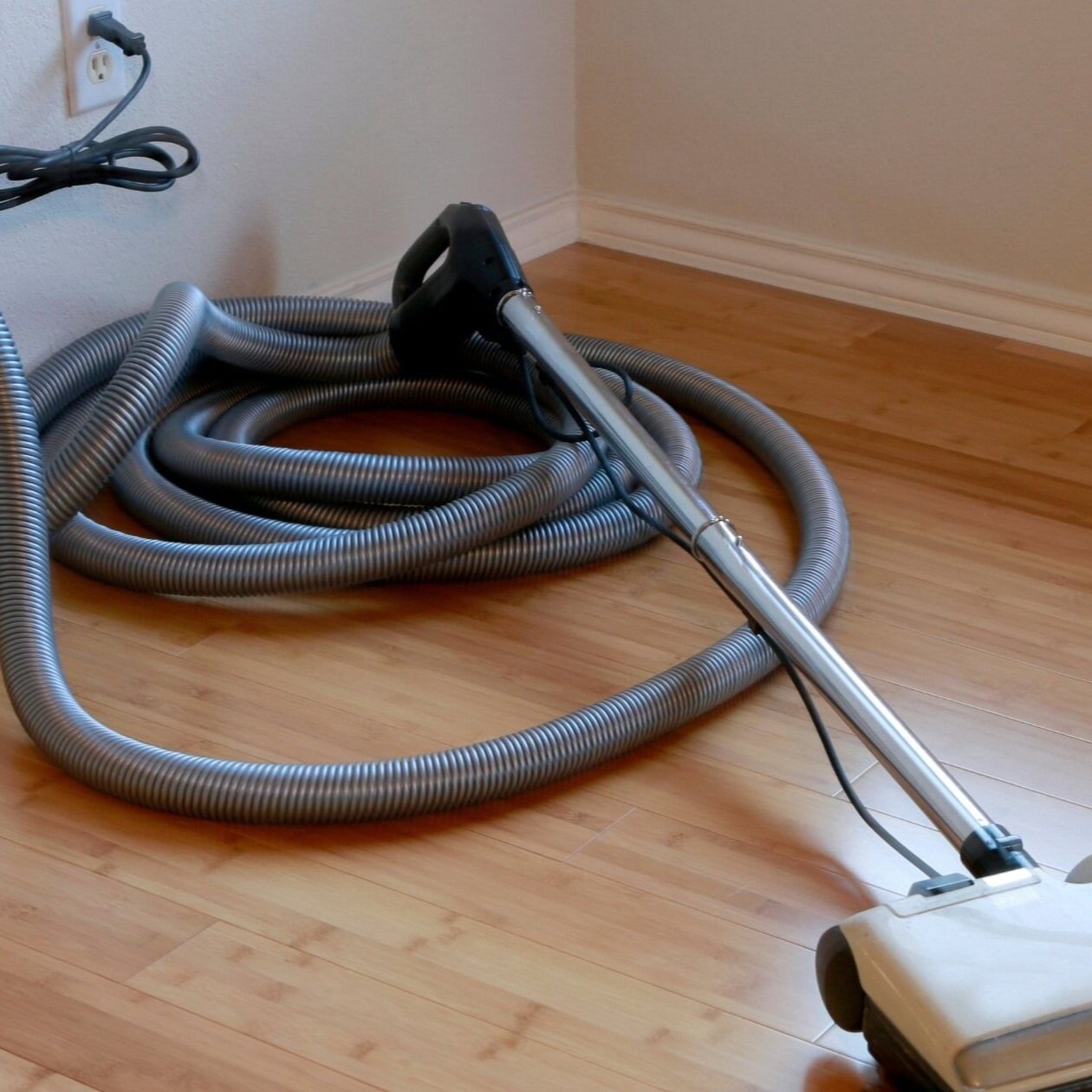
Folding and pleated hoses trap dirt and moisture inside their creases, which means they need extra attention.
Stretch and Flex During the Cleaning Process
Fully extend collapsible vinyl hoses before cleaning. If you leave them folded, pleats will hide debris from liquids and brushes. Soak while fully extended, then flex the hose repeatedly to push water in and out of every fold. This step is critical for Kenmore-style pleated hoses.
Dry Fully Extended to Prevent Mold
Never coil or hang a pleated hose while damp. Moisture trapped in the folds leads to steam buildup and mold growth. Hang it stretched out in a warm, well-ventilated area for up to 24 hours. If your vacuum has a blower port, attach the hose and let warm exhaust air speed things up.
Drying Methods That Prevent Mold and Damage
Wet hoses cause mold, bad smells, and electrical hazards. Drying is just as important as washing.
Hang for Several Days When Needed
After any wet cleaning, hang the hose in a dry, airy space using a clothesline or hook. Keep it fully extended the entire time. Smooth vinyl hoses may dry in one to two days, but grooved or pleated models take longer.
Blow Dry with Your Vacuum
If your vacuum has a blower port, attach the hose and turn the machine on. Warm exhaust air pushes moisture out quickly. In hot, dry climates, this can dry a hose in as little as 15 minutes.
Wait Up to Two Weeks for Electric Hoses
Electric hoses with internal wiring for powered brushrolls must be completely dry before reconnection. Even though wiring is sealed in vinyl, moisture can still seep into connectors. Allow up to 14 days of drying time to prevent shorts or corrosion.
Know Your Hose Type Before Choosing a Method
Using the wrong technique can damage your hose or create safety risks.
Plastic and Vinyl Hoses
Safe for baking soda and vinegar, detergent soaks, and brush cleaning. Most common in upright and canister vacuums.
Electric Hoses
Do not immerse electrical ends in water. Clean only the body of the hose and avoid full submersion. Always dry thoroughly before reconnecting.
Grooved or Ultraflex Hoses
These textured hoses trap moisture in their ridges and take longer to dry. Prioritize airflow and blower drying for best results.
Shop Vacuum Hoses
Shop vac hoses like Rigid models are often heavily soiled. Use a long-handled brush for scrubbing, and consider enzymatic or Lysol soaks for disinfection. Rinsing alone is rarely enough.
Quick Reference: Best Method by Hose Type
| Hose Type | Best Cleaning Method | Drying Time |
|---|---|---|
| Plastic or Vinyl | Baking soda and vinegar | 2 to 3 days |
| Electric | Wipe down and spot clean | Up to 14 days |
| Pleated or Collapsible | Soak, flex, and brush | 12 to 24 hours |
| Pet Hair Exposure | Enzymatic soak | Varies |
| Shop Vacuum | Brush and Lysol soak | 1 to 2 days |
| Non-Electric | Dishwasher without heated dry | 1 to 2 hours |
Frequently Asked Questions About Cleaning a Vacuum Hose
How often should I clean my vacuum hose?
Clean your hose whenever you notice reduced suction, visible clogs, or bad smells. Households with pets or children may need cleaning every one to two months, while average homes can clean every three to six months.
Can I use bleach to clean my vacuum hose?
Bleach is not recommended because it can damage vinyl, plastic, and rubber over time. It also leaves harsh residue that is hard to rinse completely. Use enzymatic cleaners, Lysol, or vinegar instead for safer results.
Why does my vacuum hose still smell bad after cleaning?
Lingering odors usually mean residue is still trapped inside pleats or grooves. Pet-related smells come from lanolin oils, which require enzymatic cleaners to fully break down. You may also need to dry the hose longer to prevent mold growth.
Is it safe to put a vacuum hose in the dishwasher?
Only non-electric hoses are safe for dishwashers. Always skip the heated dry cycle, because high temperatures can warp vinyl or melt plastic components. Electric hoses should never go in the dishwasher.
How do I know if my hose has a clog?
Hold the hose up to a bright light or shine a flashlight through it. If you cannot see through the interior, there is a clog. Use a coat hanger, pipe brush, or vent brush to clear the blockage.
What is the fastest way to dry a vacuum hose?
The fastest method is using your vacuum’s blower port. Attach the hose and run the machine to push warm exhaust air through the interior. In hot, dry climates, this can dry a hose in about 15 minutes.
Key Takeaways for a Clean, Fresh-Smelling Vacuum Hose
A clean vacuum hose restores suction, eliminates odors, and protects your vacuum from premature wear. Match your cleaning method to your hose type, prioritize complete drying, and use enzymatic cleaners if pets are in the home. For most plastic and vinyl hoses, the baking soda and vinegar flush provides a quick, natural deep clean. For heavy grime and pet odors, overnight enzymatic soaks deliver the best results.
Start by inspecting your hose today. Hold it up to the light, check for clogs, and choose the method that fits your hose type. With regular cleaning every few months, your vacuum will run stronger, smell fresher, and last much longer.


