Spending weekends chasing pet hair, sticky spills, and dust bunnies under furniture drains your energy. If your floors never stay clean for long, a robot vacuum and mop could be the upgrade your home needs. The challenge is sorting through dozens of models, features, and price points to find the right match.
This guide breaks down how to choose a robot vacuum and mop based on your flooring, cleaning habits, pets, and budget. You will learn which features actually matter, which ones to skip, and how to match a robot to your real-life needs without overspending on tech you will never use.
Assess Your Floor Types Before You Shop
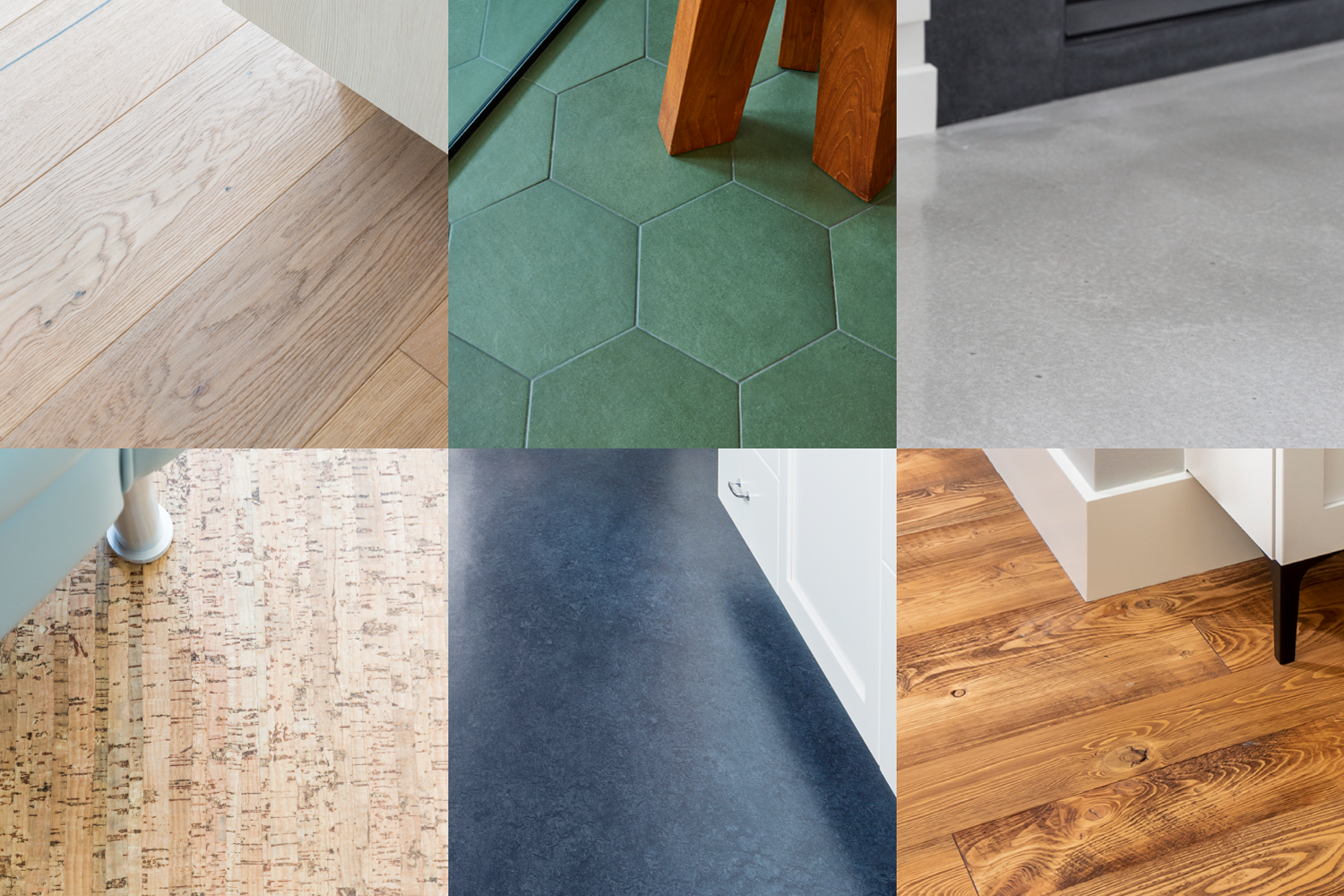
Your flooring is the single biggest factor in choosing the right robot. Pick the wrong type, and you risk poor cleaning or even water damage to your carpets.
Hard Floors, Carpets, or Both
Hard floors like tile, hardwood, laminate, and vinyl respond well to mopping but can scatter loose debris. Carpets trap dust, pet hair, and allergens deep in the fibers and need strong suction to clean properly.
If your home is all carpet, a robot vacuum is the clear winner. If you only have hard floors, a robot mop may be all you need. Most homes have a mix of both, and that is where combo units deliver the most value.
Look for Smart Floor Detection
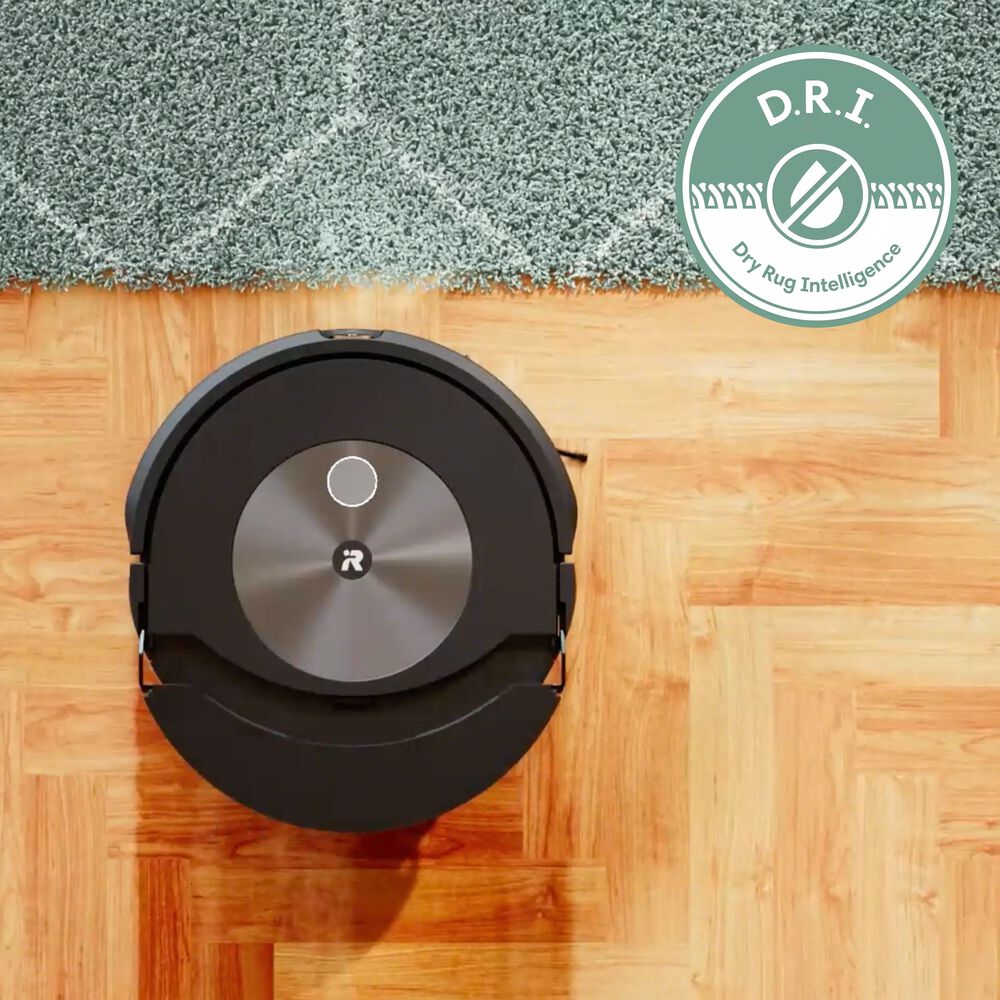
A robot without floor detection will try to mop your carpets, leaving them wet and potentially causing damage. Choose a model with smart floor sensing that automatically stops mopping when it transitions to carpet. The best models also lift the mop pad on contact, keeping rugs completely dry.
Key features to confirm:
– Laser or optical floor recognition
– Automatic mop lifting on carpet
– Mapping that remembers which rooms are which type
Pro Tip: If your robot does not lift the mop on carpet, you have to remove the water tank manually before every run. That daily hassle defeats the purpose of automation.
Decide Between a Vacuum, Mop, or Combo
Not every robot does every job well. Picking the right type saves you money and frustration over the long run.
Robot Vacuums for Debris and Pet Hair
If your main battle is dust, crumbs, and pet hair, a robot vacuum is your best ally. These machines focus on suction power and brush design to lift embedded dirt from carpets and hard floors.
Best for:
– Homes with shedding pets
– Carpeted rooms and rugs
– Daily cleaning of high-traffic areas
– Allergy sufferers who need frequent vacuuming
Top pick: Roomba® Max 715 Vac + AutoEvac Dock offers strong suction and self-emptying for pet owners who want zero daily maintenance.
Robot Mops for Sticky Spills and Streak-Free Floors
If your biggest complaint is sticky spills, footprints, and dull hard floors, a robot mop does what vacuums cannot. These robots use damp microfiber pads and adjustable water flow to scrub away grime without soaking your floors.
Best for:
– Kitchens, bathrooms, and entryways
– Hardwood, tile, and laminate floors
– Homes with kids who drop food constantly
– Anyone who dreads mopping by hand
Top pick: Roomba® Electro™ Plus disinfects while it mops, making it ideal for germ-prone areas like bathrooms and kitchens.
Robot Combos for Mixed Flooring and Busy Homes
A robot vacuum and mop combo handles both jobs in one device. Smart models vacuum first, then mop, switching automatically based on floor type. This is the most versatile option for homes with mixed flooring.
Best for:
– Homes with both carpets and hard floors
– Busy households that want one device doing both tasks
– Pet owners who also deal with sticky spills
– Anyone who wants maximum automation
Top pick: Roomba® Combo® j7+ with AutoWash™ Dock lifts the mop on carpet, self-cleans the pad, and uses AI to avoid obstacles.
Watch out: Some budget combos mop before vacuuming, which just spreads dirt around. Always choose vacuum-first models for the cleanest results.
Focus on Features That Impact Real Performance
Flashy spec sheets can be misleading. Focus on the features that actually change how well the robot cleans your home.
Suction Power: Look for Dynamic Boosting
Suction is measured in Pa (Pascals) or Air Watts, but higher numbers do not always mean better cleaning. What matters more is whether the robot adjusts suction automatically when it moves from hard floors to carpet.
A general guide:
– 1500 to 2000 Pa handles hard floors and light carpet
– 2500 Pa or more tackles thick carpets and pet hair
Pro Tip: Look for models with automatic suction boost on carpets. This feature ensures the robot uses more power only where it is needed, saving battery on hard floors.
Mop Dampness Control: Protect Your Hardwood
Cheap mopping robots flood your floors with too much water, which can damage hardwood and leave streaks. Look for adjustable water flow with at least three settings: light, medium, and dry mode.
- Light mode works for daily maintenance and dust
- Medium mode handles stuck-on messes and spills
- Dry mode sweeps without any moisture for delicate surfaces
Avoid fixed-flow systems that cannot be customized to your floor type.
Navigation and Mapping: Smarter Cleaning, Fewer Bumps
Older robots bounce around randomly and miss spots. Modern robots use LiDAR or camera-based navigation to map your home and clean in efficient, straight lines.
Features that matter:
– Room recognition so you can clean specific rooms by name
– Multi-floor map storage for homes with more than one level
– Obstacle avoidance that detects cords, shoes, and pet waste
The Roomba® j7+ uses AI to identify and avoid over 100 common household objects, which is a lifesaver in cluttered homes.
Reduce Maintenance With Smart Docks

The real convenience of a robot vacuum and mop is not just the cleaning itself. It is the ability to go weeks without touching the device.
Auto-Empty Docks for Hands-Off Vacuuming
An AutoEvac dock automatically empties the robot’s dustbin into a sealed bag after every run. Depending on the model, the bag can hold up to 60 days of debris before you need to replace it.
Benefits:
– No more touching dusty, dirty bins
– Better for allergy sufferers
– True hands-free vacuuming for weeks at a time
Best for: Pet owners and anyone who hates emptying dustbins.
Auto-Wash Docks for Self-Cleaning Mop Pads
An AutoWash dock rinses and dries the mop pad after each cleaning session. Without this feature, you have to wash the pad by hand after every use, which gets old fast.
Benefits:
– Prevents mold, mildew, and odors on the pad
– Enables daily mopping without any effort
– Keeps the pad hygienic for homes with kids and pets
Warning: If a combo robot does not have an auto-wash dock, you will spend time cleaning the pad yourself. This often becomes the reason people stop using the mopping feature.
Match Cleaning Frequency to Robot Capabilities
How often you plan to run the robot should guide your feature choices. There is no point paying for a self-emptying dock if you only clean once a week.
Daily Cleaning: Prioritize Automation and Scheduling
If you want floors cleaned every day, especially with pets or kids, you need features that minimize daily effort.
Look for:
– Scheduled cleaning through the app
– Auto-empty or auto-wash dock
– Recharge and resume so the robot finishes large jobs after recharging
Ideal model: Roomba® Max 775 Combo schedules daily cleanups, self-empties, and resumes after charging for completely hands-off operation.
Weekly Cleaning: Simpler Models Are Enough
If you only plan to run the robot once a week, you can skip the premium docks. A basic model with app control and decent suction is plenty.
Budget-friendly pick: Roomba® 205 Combo offers reliable vacuuming and mopping at an affordable price without the dock extras.
Pet and Allergy Owners: Prioritize These Features

Pets add joy to your life and a lot of hair to your floors. Choose features designed to handle the extra mess.
Tangle-Free Brushes Cut Maintenance Time
Standard bristle brushes get clogged with pet hair quickly. Look for tangle-free extractors or rubberized rollers that resist hair wrap. These designs pull hair into the dustbin instead of wrapping it around the brush.
Bonus benefits:
– Deeper cleaning with less maintenance
– Fewer clogs during a run
– Longer brush life
Pro Tip: Before buying, check user reviews for mentions of “hair tangle” problems. Real-world feedback is more reliable than spec sheets.
HEPA Filtration Traps Allergens
If anyone in your home has allergies or asthma, a sealed HEPA filtration system is essential. HEPA filters trap 99.97% of particles as small as 0.3 microns, including pet dander, pollen, and dust mites.
Look for:
– Sealed systems that prevent dust from escaping
– True HEPA filters (not “HEPA-style”)
– Easy filter replacement
The Roomba® Max and j7+ models both feature sealed HEPA systems designed for allergy sufferers.
Budget Wisely: Entry, Mid-Range, or Premium
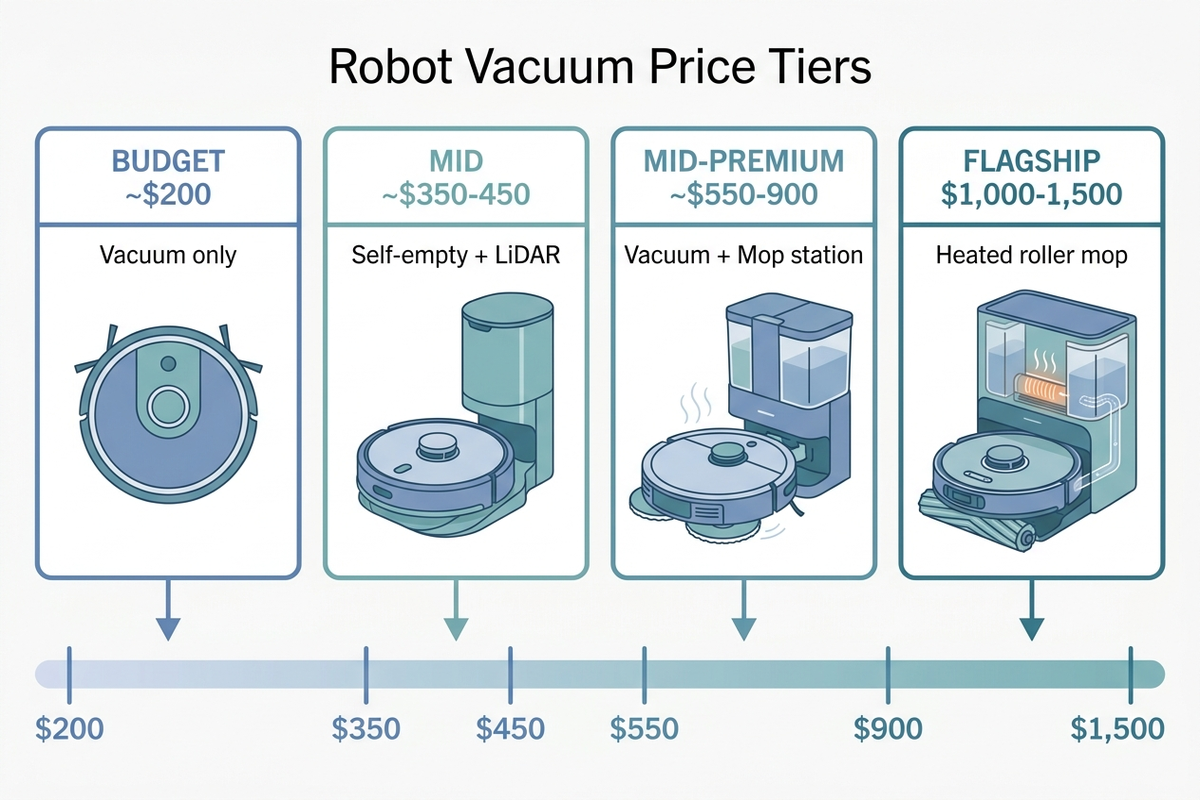
Robot vacuums and mops range from around $200 to over $1,000. Spending more gets you better automation, but you do not always need the top tier.
Entry-Level Options ($200 to $400)
- Basic navigation and decent suction
- Manual dustbin emptying and mop pad cleaning
- Best for small homes, apartments, or simple cleaning needs
Top pick: Roomba® 105 Vac delivers reliable vacuuming without unnecessary extras.
Mid-Range Options ($400 to $700)
- App control, scheduling, and better suction
- Some models include basic combo vacuum and mop functions
- May lack auto-empty or auto-wash docks
Top pick: Roomba® Plus 515 Combo offers solid performance and great value for mixed flooring.
Premium Options ($700 and Up)
- Auto-empty or auto-wash docks included
- Advanced AI navigation and obstacle avoidance
- Mop-lifting technology and HEPA filtration
- Voice control and smart home integration
Top pick: Roomba® Combo® j7+ is the gold standard for hands-free cleaning in large, multi-surface homes.
Avoid These Common Buying Mistakes
Even the best robot fails if you choose the wrong model for your situation. Watch out for these pitfalls.
Using a Mop-Only Robot on Carpets
Robot mops are not designed for carpet. Running one on carpet leaves puddles, promotes mold, and can damage your floors. Only use mop-only robots on hard surfaces.
Skipping Obstacle Detection
Robots without AI obstacle avoidance bump into furniture, get stuck on cords, and drag pet waste across your floors. For cluttered homes, obstacle detection is not optional.
Buying a Combo That Mops First
If the robot mops before vacuuming, it pushes dirt around and leaves a mess. Always choose vacuum-first cleaning sequences for the best results.
Ignoring Mop Pad Maintenance
Even with auto-wash, inspect the mop pad monthly. Mineral buildup from hard water and detergent residue reduces cleaning power over time. Replace pads every few months for optimal performance.
Use This Quick Decision Checklist
Before you buy, run through these questions:
- Floors: Carpet only? Go with a vacuum. Hard floors only? A mop works. Mixed? You need a combo with mop lifting.
- Pets: Prioritize tangle-free brushes, HEPA filtration, and an auto-empty dock.
- Frequency: Daily cleaning demands auto-empty or auto-wash. Weekly cleaning is fine with a basic model.
- Budget: Match the price tier to your actual needs, not the most expensive option.
- Convenience: Want zero daily effort? Choose a model with an AutoEvac or AutoWash dock.
Recommended Models by Need
Best Overall Combo
Roomba® Combo® j7+ with AutoWash™ Dock
– Mop-lifting technology
– AI obstacle avoidance
– Self-cleaning dock
– Ideal for pet owners with mixed flooring
Best Budget Pick
Roomba® 205 Combo
– Affordable vacuum and mop in one
– App control and scheduling
– Manual maintenance required
Best for Pet Hair
Roomba® Max 715 Vac + AutoEvac Dock
– Powerful suction
– Self-emptying dustbin
– Tangle-free rollers
Best for Hardwood Floors
Roomba® Electro™ Plus
– Gentle, disinfecting mopping
– Adjustable dampness control
– Auto-wash compatible
Keep Your Robot Running at Peak Performance
Even the smartest robot needs basic care to last. A few minutes of weekly maintenance prevents most problems.
Weekly Tasks
- Empty the dustbin (unless you have auto-empty)
- Rinse the mop pad (unless you have auto-wash)
- Wipe sensors and clean brushes
Monthly Tasks
- Replace filters every 2 to 3 months
- Inspect wheels and the side brush for hair wrap
- Descale the water tank if you use hard water
Pro Tip: Set a calendar reminder for filter and pad replacements. Most robot problems come from neglected maintenance, not manufacturing defects.
Final Thoughts: Match the Robot to Your Life
Choosing how to pick a robot vacuum and mop is not about chasing the fanciest features. It is about finding the right match for your home, your floors, and your cleaning habits.
Most homes benefit from a combo unit, especially with mixed flooring. Pet owners need strong suction and self-emptying to keep up with hair. Hardwood lovers should prioritize dampness control and auto-wash. Busy households win the most with auto-docks that eliminate daily maintenance.
Do not guess. Use the iRobot Help Me Choose Quiz to get a personalized recommendation based on your floor plan, pets, and cleaning habits. With the right robot vacuum and mop, clean floors become effortless.
Frequently Asked Questions About Robot Vacuums and Mops
What is the difference between a robot vacuum and a robot mop?
A robot vacuum uses suction and brushes to pick up dry debris like dust, crumbs, and pet hair from carpets and hard floors. A robot mop uses a damp microfiber pad and water to scrub sticky spills and grime from hard surfaces. Combo models do both in one device.
Can a robot vacuum and mop work on carpets?
Combo models with mop-lifting technology can vacuum carpets and mop hard floors without getting carpets wet. Without mop lifting, the robot will dampen carpets during mopping, which can cause damage. Basic robot mops should never be used on carpet.
Do I need an auto-empty dock?
An auto-empty dock is worth it if you run the robot daily, have pets, or want truly hands-off maintenance. The dock holds weeks of debris, so you do not have to empty the dustbin after every run. For weekly cleaning, a basic model without a dock is usually sufficient.
How often should I replace the mop pad?
Replace the mop pad every 2 to 3 months, or sooner if it shows signs of wear, odor, or reduced cleaning performance. Pads with auto-wash systems last longer because they are rinsed after every use, but they still need eventual replacement.
Are robot vacuums good for pet hair?
Yes, especially models with tangle-free brushes, strong suction, and auto-empty docks. Look for rubberized rollers that resist hair wrap and HEPA filtration to trap dander. The Roomba® Max 715 Vac is a strong choice for homes with shedding pets.
How long do robot vacuums and mops last?
Most quality robot vacuums and mops last 4 to 6 years with proper care. Battery life gradually decreases over time, but filters, brushes, and mop pads are replaceable. Regular maintenance extends the life of the robot significantly.