Your cordless vacuum finally stopped working after years of reliable service, and now you need to figure out how to dispose of it responsibly. Tossing it in the trash might seem easiest, but cordless vacuums are classified as electronic waste (e-waste) because of their rechargeable batteries and internal circuitry. Throwing them out with regular garbage can harm the environment and may even violate local regulations.
The good news is that getting rid of a cordless vacuum responsibly is simpler than you think. This guide will show you exactly how to recycle, donate, or safely discard your vacuum, including free drop-off options and how to handle the battery. Whether your vacuum still works or is completely dead, you will find a practical solution that keeps harmful materials out of landfills.
Decide Between Repair and Disposal First
Before you throw anything away, find out if your cordless vacuum can be saved. Many users assume their device is dead when a simple fix could restore it. This step alone can save you money and reduce unnecessary waste.
Spot the Warning Signs Before You Toss It
- Vacuum won’t turn on: Check whether the battery is fully charged and properly seated. Try charging it for several hours, even if the indicator light already shows a full charge.
- Charging light works but no power: This often points to a faulty battery, a damaged charging port, or an internal circuit problem.
- Vacuum cuts out during use: Intermittent operation usually means the battery is failing or overheating.
Pro Tip: Plug in the charger and watch the indicator. A non-responsive light usually means a battery or circuit issue, not a total vacuum failure.
Know When Repair Makes More Sense Than Disposal
- Is the vacuum under warranty? Contact the manufacturer, as many offer free repairs or replacements.
- Can you buy a replacement battery? Some models, like the Dyson V7 or V8, allow easy battery swaps for around $50 to $80.
- Would repairs cost more than 50% of a new vacuum? If yes, replacing the unit is often the smarter financial move.
Skipping this step leads to premature disposal. A quick diagnosis could add years to your vacuum’s life.
Remove the Battery and Recycle It Separately
Cordless vacuums run on lithium-ion or nickel-cadmium batteries, both of which are hazardous when crushed, punctured, or burned. These batteries must be removed and recycled separately whenever possible.
Take the Battery Out Safely
- Check your user manual for model-specific instructions.
- Most batteries sit in the handle or base, held in place by screws or clips.
- Use a screwdriver if needed, but never force any parts. Damaging the battery creates a serious safety risk.
Visual Cue: Look for labels like “Li-ion,” “Do Not Incinerate,” or a voltage rating such as 22V on the battery casing.
Drop Off Batteries at These Free Locations
- Best Buy: Accepts rechargeable batteries under 2 lbs at no charge. Drop them off at the Geek Squad counter.
- Staples: Recycles rechargeable batteries for free, regardless of size.
- Local hazardous waste events: Many municipalities accept batteries during designated collection days.
Never throw batteries in the trash or curbside bin. They can leak toxic chemicals into soil and water, and damaged lithium-ion batteries can even start fires inside garbage trucks.
Recycle the Vacuum Body at a Retailer
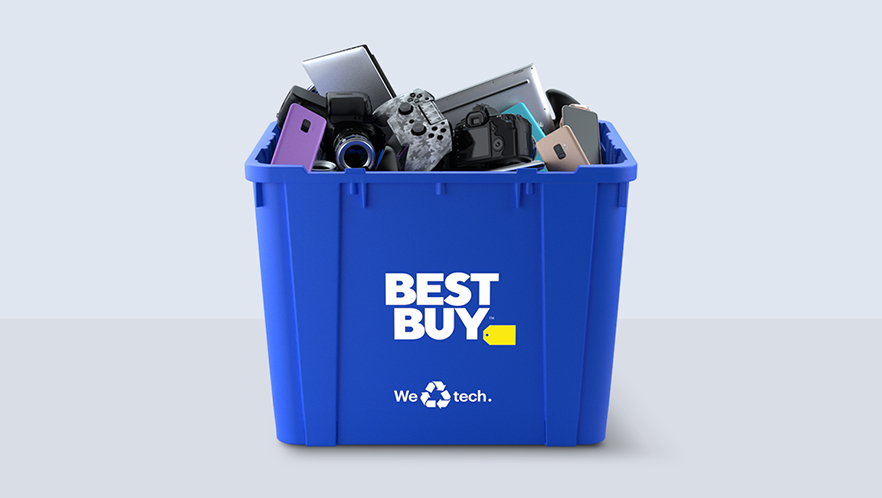
Once the battery is out, the main unit still contains circuit boards, motors, and plastics that need special handling. National retailers make this easy.
Best Buy Offers Free Vacuum Recycling
- Cost: Free for cordless vacuums
- Drop-off point: Any Geek Squad counter
- Weight limit: Under 50 lbs
- No appointment needed: Walk in during regular business hours
Why it matters: Best Buy works with certified e-waste recyclers to recover metals, plastics, and circuit components safely.
Staples Accepts Vacuums for a Small Fee
- Cost: $10 per unit
- Category: Listed as “large equipment”
- Ink cartridge bonus: Rewards members get $3 back for each cartridge returned
Quick Note: Some locations may misclassify vacuums, so call ahead to confirm before making the trip.
Check for Local Recycling Events in Your Town
Many cities and towns host free electronics recycling events twice a year, usually in spring and fall. These are ideal for no-cost disposal close to home.
Find an Event Near You
- Search online using “electronics recycling event + [your town]”
- Check your city or town’s official website for event calendars
- Sign up for municipal alerts so you never miss an upcoming event
Example: Dedham, Massachusetts holds recycling days in April or May and again in October, often combined with hazardous waste collection. Accepted items typically include electronics, batteries, Styrofoam, textiles, and paper for shredding.
Call Your Local Waste Department
Reach out to your sanitation or sustainability office and ask, “Where can I recycle a cordless vacuum and its battery?” Request a copy of your municipal recycling guide, which lists drop-off locations, fees, and pickup schedules for e-waste.
Look Into Manufacturer Take-Back Programs
Some vacuum brands offer mail-in recycling programs or accept old units at authorized collection points. These programs ensure brand-specific parts and batteries are handled properly.
How to Find a Take-Back Program
- Visit the manufacturer’s website and search for “recycling,” “sustainability,” or “take-back program”
- Call customer service and ask, “Do you accept old units for recycling?”
- Check whether your brand offers trade-in discounts when you recycle an old model
Benefit: Manufacturer programs often recover proprietary parts more efficiently than general e-waste facilities, and some offer incentives like discounts on new purchases.
Donate or Resell a Working Vacuum

If your vacuum still runs (or has salvageable parts), donation or resale keeps it out of the landfill entirely.
Give It to a Charity or Community Group
- Goodwill, The Salvation Army, or Habitat for Humanity ReStore often accept working vacuums
- Local shelters, schools, or churches may need cleaning equipment
- Always call ahead to confirm, since policies vary by location
Note: Most charities will not accept non-working units, but some repair shops or hobbyists might take them for parts.
List It for Free Online
- Post it on Freecycle, Craigslist, or Facebook Marketplace with a clear title like “Free Working Cordless Vacuum”
- Be honest about any issues, such as a short battery life, so the next owner knows what to expect
- Include the charger and accessories to increase the value of your listing
Never Put Vacuums in Curbside Trash or Recycling
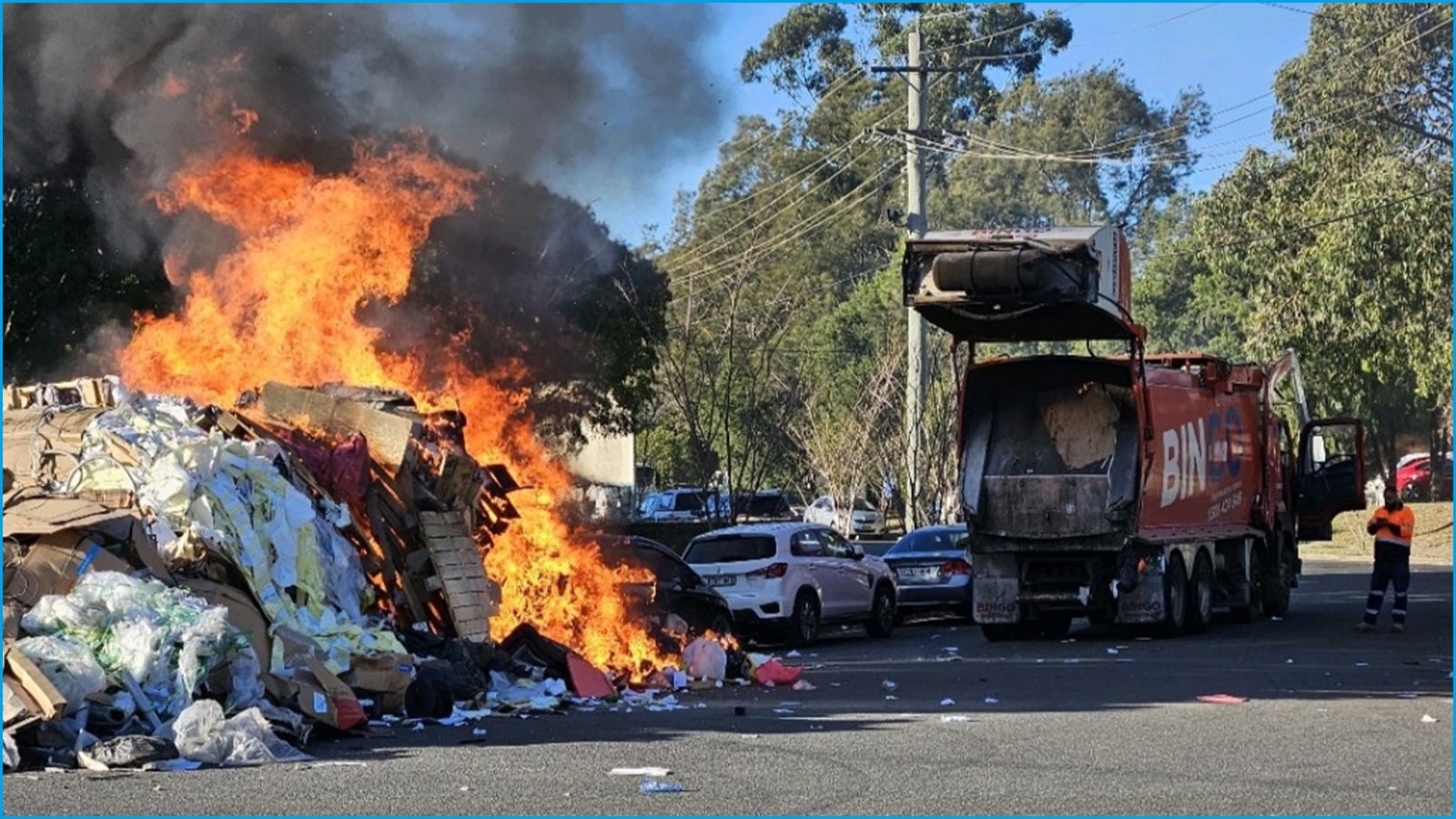
Cordless vacuums do not belong in household trash bins or single-stream recycling bins, and putting them there creates real safety hazards.
Why Curbside Disposal Is Risky
- Fire hazard: Lithium-ion batteries can ignite under pressure or heat in garbage trucks
- Toxic pollution: Heavy metals like cadmium and lead can leach into soil and groundwater
- Recycling contamination: Electronics jam sorting machinery and disrupt the recycling process
Municipal Rule: Single-stream recycling bins are for paper, plastic bottles, cans, and cardboard only. Electronics must go to designated drop-off points. Communities with strict e-waste rules may issue fines for improper disposal.
Use Certified E-Waste Recyclers When Needed
When retailer and municipal options are not available, certified e-waste facilities ensure safe and legal disposal of electronics.
How to Find a Trusted Recycler
- Search online for “e-waste recycling near me” or “certified electronics recycler + [your city]”
- Use tools like the Recycle Smart MA Recyclopedia to look up local disposal instructions
- Verify that the facility carries R2 (Responsible Recycling) or e-Stewards certification, which guarantees ethical handling and no overseas dumping
Typical services include dismantling plastics and motors, extracting batteries safely, and recovering reusable materials. Most recyclers charge by weight, so call ahead for a quote.
Extend the Life of Your Next Vacuum
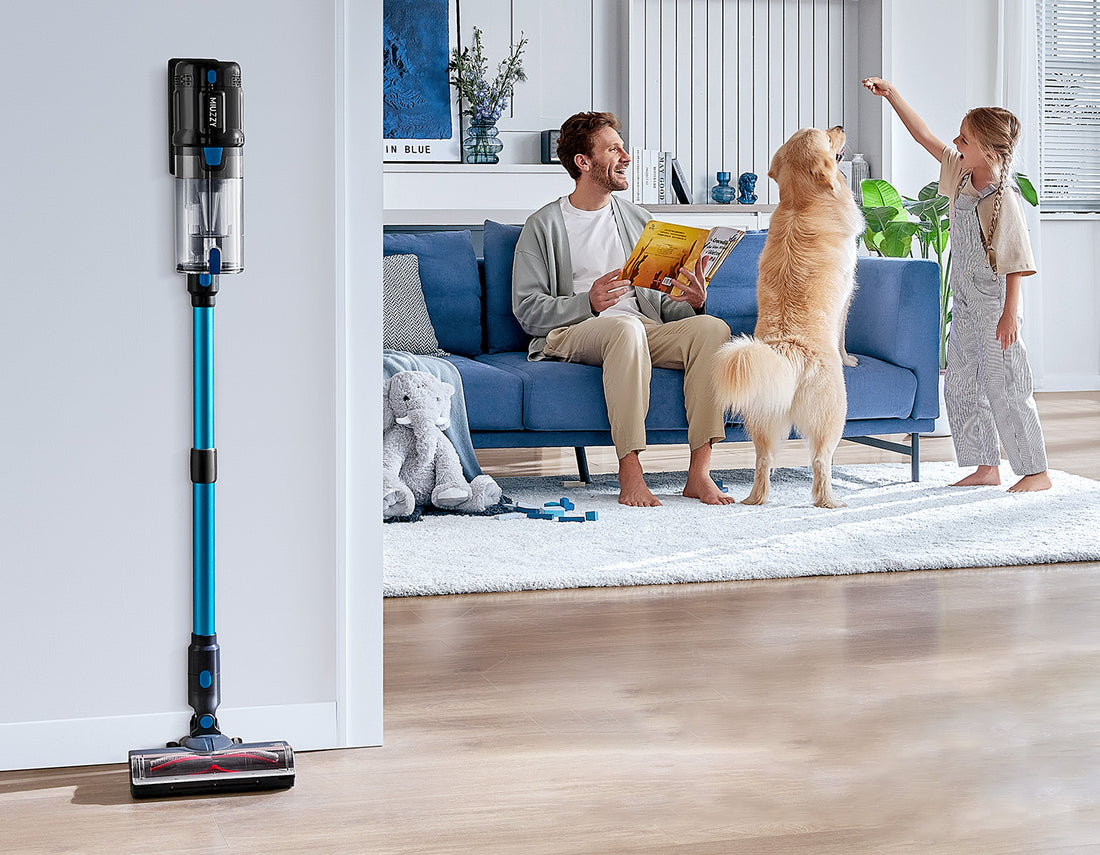
The smartest disposal strategy is avoiding disposal altogether. A few simple habits can add years to your next cordless vacuum.
Keep It Running Longer With These Habits
- Clean the filter every month to prevent clogs and motor strain
- Empty the dustbin after each use to avoid blockages
- Store in a cool, dry place since heat damages battery performance
- Unplug once fully charged to prevent overcharging (unless your model has auto-shutoff)
Buy Models Designed for Easy Repair
- Choose brands with replaceable batteries, such as Dyson or Tineco
- Check the manufacturer’s website for available spare parts before buying
- Support brands with strong sustainability commitments, which often include future recycling programs
Future-Proofing: A vacuum that lasts five or more years reduces long-term waste and saves you money on replacements.
Frequently Asked Questions About Cordless Vacuum Disposal
Can I throw a cordless vacuum in the regular trash?
No. Cordless vacuums contain rechargeable batteries and electronic components classified as e-waste. Most municipalities prohibit throwing them in household trash, and doing so can lead to fires or toxic chemical leaks.
Does Best Buy really recycle cordless vacuums for free?
Yes. Best Buy accepts cordless vacuums at no charge because they are not TVs or monitors (which carry a $25 fee). Drop the unit off at the Geek Squad counter during business hours. No appointment is required.
How much does Staples charge to recycle a cordless vacuum?
Staples charges $10 per unit for large equipment, which includes cordless vacuums. Smaller items like keyboards and speakers are accepted for free, and you can also recycle rechargeable batteries at no charge.
Should I remove the battery before recycling the vacuum?
Yes, whenever possible. Rechargeable batteries require special handling and can be recycled separately at Best Buy, Staples, or local hazardous waste events. Removing the battery first makes the recycling process safer and more efficient.
What if my cordless vacuum still works but I no longer need it?
Consider donating it to a charity, thrift store, school, or community organization. You can also list it on Freecycle, Craigslist, or Facebook Marketplace. Many people are happy to take a working vacuum for free.
Are there free electronics recycling events near me?
Most municipalities host free electronics recycling events twice a year, usually in spring and fall. Check your city or town’s official website, sign up for local alerts, or call your waste management department to find the next event in your area.
Key Takeaways for Disposing of Your Cordless Vacuum
- Try repair first, especially if the vacuum is under warranty or has a replaceable battery
- Remove the battery and recycle it separately at Best Buy, Staples, or a hazardous waste event
- Recycle the main unit at Best Buy for free by dropping it off at the Geek Squad counter
- Use Staples for a $10 fee if Best Buy is not convenient
- Attend local recycling events, which are often free and held twice a year
- Donate working vacuums to charities, schools, or online giveaways
- Never place cordless vacuums in curbside trash or recycling bins due to fire and contamination risks
- Check manufacturer take-back programs for brand-specific recycling options
Your Next Step: Pick the disposal option that fits your situation, whether that is a free Best Buy drop-off, an upcoming municipal recycling event, or donating a still-working unit. Taking 15 minutes today to dispose of your vacuum properly protects the environment, prevents fires, and helps recover valuable materials like lithium, copper, and rare earth metals.