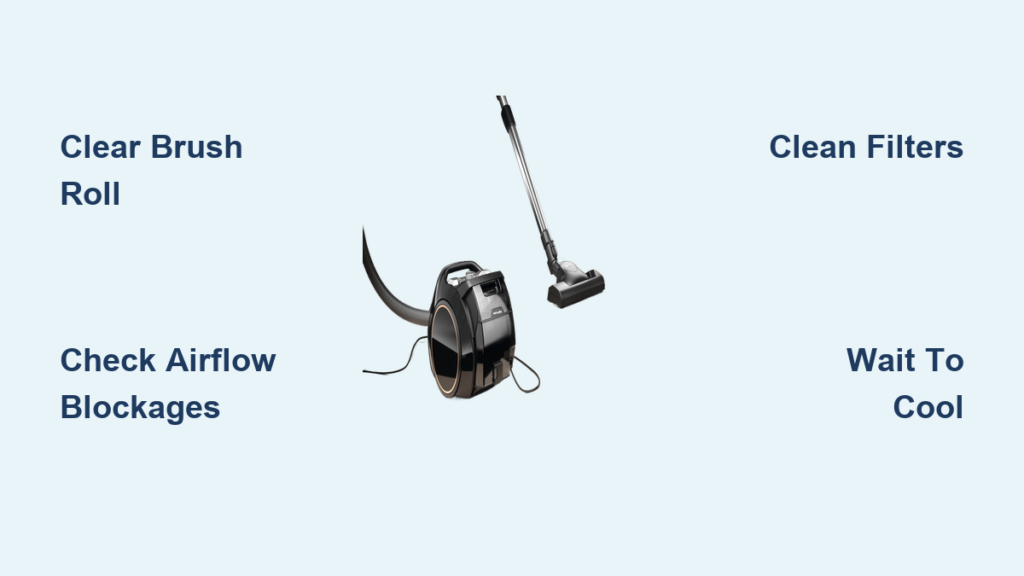
Your Miele vacuum just shut off mid-cleaning, and a small reset light is glowing on the body. This is a frustrating moment, especially when you rely on a Miele for daily cleaning. That tiny indicator means the motor overheated and triggered a built-in safety switch. The vacuum will not run again until you address the cause and manually reset it.
The fix is usually straightforward. In this guide, you will learn how to reset a Miele vacuum the right way, starting with the underlying cause rather than just pressing the button. Most owners complete the process in under an hour using basic household tools.
Identify What the Reset Button Does
Before touching anything, it helps to understand why the reset button exists. It is not a random feature. It is a direct response to motor stress.
Purpose of the Thermal Protection System
The reset button is tied to a thermal overload sensor inside the motor housing. When internal temperatures climb too high, the sensor cuts power automatically. This prevents the motor from burning out. The button “trips” outward and stays in that position until you press it back in.
A tripped reset is a warning sign. Ignoring it and repeatedly pressing the button without fixing the cause can shorten motor life or cause permanent damage.
Warning: If the light keeps returning, stop using the vacuum and investigate further. Continued resets indicate a serious airflow or mechanical problem.
Unplug the Vacuum and Power Down Completely
Safety comes first. You should never work on a vacuum while it is connected to power.
Safe Handling Before Maintenance
- Switch the vacuum to the off position.
- Pull the plug from the wall outlet.
- Wait at least 30 minutes if the unit feels warm to the touch.
This cooldown period matters. Resetting while the motor is still hot almost always causes the button to trip again immediately. Let the internal components return to a safe temperature before moving forward.
Remove Brush Roll Blockages
A jammed brush roll is one of the top reasons a Miele vacuum overheats. Hair, threads, and carpet fibers wrap around the roller and force the motor to work harder.
Clean the Roller Thoroughly
- Lay the vacuum on its side or flip it over following your model’s manual.
- Remove the brush roll cover, usually held by screws or clips.
- Cut away tangled debris using scissors or a seam ripper.
- Spin the roller by hand. It should rotate smoothly with no resistance.
- Reinstall the cover once the roller moves freely.
Pro Tip: If you have pets or long hair, clean the brush roll every 1–2 weeks. Preventive care reduces strain on the motor significantly.
Check the Belt Condition
The belt transfers power from the motor to the brush roll. A worn or broken belt makes the motor compensate, which generates excess heat.
- Look for cracks, fraying, or stretching.
- Confirm the belt sits properly on both the motor shaft and roller ends.
- Replace damaged belts with the correct Miele part for your model.
A slipping belt often produces a burning rubber smell. Replace it right away if you notice this odor.
Clear All Airflow Blockages
Restricted airflow is the leading cause of overheating. Even small clogs in the hose or wand can trigger the reset light.
Inspect the Hose and Wand
- Detach the hose from both the vacuum body and the wand.
- Look through each end with a flashlight to spot obstructions.
- Use a long, flexible tool such as a coat hanger or plumbing snake to push debris out.
- Reattach everything firmly and test the suction strength.
Check Attachments and Floor Heads
- Remove all floor tools, crevice tools, and upholstery brushes.
- Look inside each attachment for trapped debris.
- Confirm the intake opening on the vacuum head is clear.
Visual Cue: Weak suction even after emptying the dust bag almost always points to a hidden blockage somewhere in the system.
Empty the Dust Bag and Service the Filters

Miele vacuums depend on clean filters to keep the motor cool. Dirty or full filtration units are a common reset trigger.
Replace the Dust Bag or Empty the Canister
- Bagged models: Install a fresh bag, even if the current one looks partially full. Fine dust can clog the pores and reduce airflow.
- Bagless models: Empty the canister completely and wipe down the interior with a dry cloth.
Clean or Replace Both Filters
Miele vacuums typically include a pre-motor filter and an exhaust filter.
- Remove both filters according to your user manual.
- Tap out loose dust over a trash bin.
- Rinse washable filters under lukewarm water and let them air dry for 24 hours.
- Replace HEPA filters every 6–12 months as recommended.
Warning: Never reinstall wet filters. Moisture can reach the motor and cause electrical damage.
Allow the Motor to Cool Fully
Even after clearing blockages, the motor may still be too hot to restart safely.
Wait for a Complete Cool-Down
- Set the vacuum in a cool, dry space with good ventilation.
- Wait a minimum of 30 minutes before attempting to reset.
- Do not use fans or cold air to speed up the process. Sudden temperature changes can crack internal components.
Patience here prevents the reset light from coming back on right away.
Press the Reset Button

With all checks complete and the motor cool, you are ready to reset the system.
How to Activate the Reset Properly
- Confirm the vacuum is unplugged.
- Locate the small recessed button, usually red, black, or gray.
- Use a pen tip, paperclip, or tweezers to press it firmly.
- On some models, hold the button for 2–3 seconds until you feel a click.
- Plug the vacuum back in and power it on.
If the motor starts and runs normally, the reset was successful.
What If the Light Stays On
Persistent lighting after a full reset points to a deeper problem. Possible causes include a blown thermal fuse, internal motor wear, or a wiring fault. In these cases, stop pressing the reset button and move to professional service.
Know When to Call a Professional
Some problems go beyond basic maintenance. Recognizing these signs early saves you money and protects the motor.
Signs You Need a Technician
- The reset button does not respond at all.
- A burning smell continues after cleaning.
- The motor makes grinding, screeching, or clicking noises.
- The vacuum trips immediately after every reset.
Miele motors are sealed units with safety fuses that require specialized tools. DIY repairs on these components can void your warranty and create safety risks. Contact an authorized Miele service center with your model number ready for accurate diagnostics.
Build a Simple Maintenance Routine
Preventing future reset issues is easier than fixing them. A few small habits keep your vacuum running smoothly.
Weekly Tasks
- Empty the dust bag or canister
- Remove hair and debris from the brush roll
- Wipe down the exterior and attachments
Monthly Tasks
- Wash reusable filters and let them dry completely
- Inspect HEPA filters for discoloration or wear
- Check the hose and wand for early blockages
Smart Usage Tips
- Match suction power to the floor type to reduce motor strain.
- Avoid running the vacuum on maximum power for more than 20 minutes at a time.
- Set a reminder every 6 months for a full deep clean, even if performance seems fine.
Pro Tip: Keep a log of filter changes and belt replacements. This simple record helps you stay ahead of wear and tear.
Frequently Asked Questions About Miele Vacuum Resets
Why does my Miele vacuum keep tripping the reset button?
Repeated tripping usually means an unresolved airflow blockage, a clogged filter, a jammed brush roll, or a worn belt. Address each of these before pressing the reset again.
Where is the reset button on a Miele vacuum?
The reset button is typically a small recessed button near the motor housing or on the side of the vacuum body. It may be red, black, or gray, and often requires a pen or paperclip to press.
How long should I wait before resetting my Miele vacuum after it overheats?
Wait at least 30 minutes for the motor to cool completely. Resetting too soon often causes the light to trip again immediately.
Can I keep using my Miele vacuum if the reset light comes back on?
No. Continued resets without solving the cause can damage the motor permanently. Stop using the vacuum and complete the full troubleshooting steps before trying again.
Do all Miele vacuum models have a reset button?
Most Miele vacuums include a thermal reset button, but location and style vary by model. Always check your user manual for the exact location and reset procedure for your unit.
Final Thoughts on Resetting a Miele Vacuum
Learning how to reset a Miele vacuum is really about understanding the cause behind the trip. A reset button is a symptom of a deeper issue, usually restricted airflow or mechanical strain. By clearing blockages, cleaning filters, and inspecting the brush roll and belt, you solve the root problem rather than masking it.
Start with the simplest fixes, such as emptying the bag and cleaning the filters, before moving to the brush roll and hose. If the reset light still appears after thorough troubleshooting, reach out to an authorized Miele technician to protect your investment and keep your vacuum running at peak performance for years.