A cracked vacuum head, a brush roll that refuses to spin, or a connection that keeps falling off can turn a quick cleanup into a frustrating chore. Knowing how to change a vacuum head the right way saves you money, restores full suction power, and extends the life of your machine. This guide covers every step, from identifying your model to testing your new attachment, so you can get back to clean floors in minutes.
You’ll learn how to find the right replacement, remove the old head safely, and confirm the new one works perfectly on every floor type.
Find Your Vacuum Model and Part Numbers
Locate the Model Number on the Unit
Before shopping for a replacement, you need your exact model number. Check the back, base, or side of the main unit for a printed label. On cordless vacuums, look inside the battery compartment. If you still have the original box or user manual, the number will be there too. Write it down exactly as shown, including any slashes or letters.
For example, an Ambiano model might appear as 1A5594/718142, while a Dyson serial number often follows a format like 123-AU-A12345 or AB1-AU-A123456.
Check the Old Head for Stamped Part Numbers
Flip the old head over and inspect the underside, brush roll compartment, and connection collar. Manufacturers often stamp specific part numbers directly on these surfaces. These codes are more precise than the general model number and help guarantee an exact match. Photograph the connection area from several angles so you have a visual reference when contacting support or browsing online.
Confirm Compatibility Before You Buy
Understand That Vacuum Heads Are Not Universal
Even within the same brand, different model series use unique fittings. A head designed for one Dyson or Ambiano line will rarely fit another. Mismatched heads can fail to lock, leak suction, or even damage the wand. To avoid costly mistakes, verify these details:
- Exact model number match
- Connection type (push-in, clip, or twist-lock)
- Whether the head is motorized or non-motorized
- If it’s a 2-in-1 or multi-surface design
Decide Between Genuine and Aftermarket Parts
Genuine manufacturer parts deliver the best fit and longest lifespan, especially for brands like Ambiano and Dyson. Aftermarket heads often cost less but may have poor suction seals, loose connections, or misaligned electrical contacts. When in doubt, spending a little more for an authentic replacement pays off in performance and durability.
Know the Four Main Connection Types
Round Push-In Fitting
The wand slides straight into the head and is often secured by a spring-loaded button. To remove, press the release button and pull firmly. To install, push until you hear a click.
Clip-Style Latch
Plastic tabs or clips snap into place to hold the head. Squeeze the tabs to release the old head. Press the new head on until the latch snaps shut.
Twist-Lock Mechanism
A rotating collar or base locks the head to the wand. Rotate to the unlock position to remove, then align the markers and twist to lock the new head in place.
Electrical Contacts for Motorized Heads
Motorized heads have metal pins or plug connectors that transfer power. These contacts must align perfectly for the brush roll to spin. If pins are bent or corroded, clean them gently with a dry cloth before installation.
Power Down and Remove the Old Head
Unplug or Remove the Battery
Always disconnect power before working on your vacuum. Unplug corded models from the wall outlet. For cordless units, remove the battery if possible. This prevents accidental startup and protects both you and the machine.
Release the Connection Mechanism
Locate the release button, clip, or twist collar where the wand meets the head. For push-in fittings, press the button and pull straight off. For clip latches, squeeze the tabs and pull gently. For twist-locks, rotate to unlock and then detach. Never force the head off, as excessive pressure can crack the wand or damage the locking mechanism.
Disconnect Electrical Contacts Carefully
If the head is motorized, separate the metal pins or plug connector with care. Avoid yanking the wires. Inspect the contacts for corrosion, dust, or bent pins. A quick wipe with a dry cloth can restore a solid connection.
Find the Right Replacement Head
Buy Directly From the Manufacturer
For guaranteed compatibility, purchase from official sources. Ambiano owners can contact Aldi Australia at 1300 112 534. Dyson owners should visit the support site and enter the first three digits of their serial number to find compatible parts. Manufacturer parts arrive ready to install and perform as expected.
Search Marketplaces With Precision
If buying from Amazon or eBay, use specific search terms like “1A5594/718142 vacuum head” or “Dyson V8 motorized floor head replacement.” Read customer reviews to confirm fit before clicking buy. Avoid generic “universal” heads unless multiple reviewers confirm they work with your exact model.
Install the New Vacuum Head

Align the Connection Point
Hold the new head up to the wand and check the orientation. Make sure any alignment notches, arrows, or guides line up. For motorized heads, confirm the electrical pins face the correct direction. Spin the brush roll by hand to make sure it moves freely before attaching.
Secure the Head to the Wand
Push the head onto the wand until you feel resistance, then apply firm pressure until you hear a click. For clip latches, press until the tabs snap into place. For twist-locks, rotate until the lock engages. The head should feel tight and stable, with no wobble or looseness.
Test the Electrical Connection
Turn on the vacuum and watch the brush roll. If it doesn’t spin, turn the vacuum off, re-seat the head, and clean the contact points. A poor electrical connection is the top reason motorized heads fail after installation.
Verify the New Head Works Properly
Check Suction and Stability
Place the head on a hard floor and turn on the vacuum. Try picking up small debris like crumbs or dust. There should be no air leaks at the wand-head joint. Tug gently on the head to confirm it stays firmly attached.
Confirm Brush Roll Operation
On carpet, watch the brush roll spin continuously. If it jerks, stops, or makes unusual noises, shut off the vacuum and check for hair wrapped around the ends. Recheck the electrical contacts and make sure the head is fully locked.
Test Maneuverability Across Floor Types
Push the vacuum forward and backward on both hard floors and carpet. The head should glide smoothly, pivot easily on edges, and maintain consistent floor contact. If it drags or lifts, the connection may be misaligned and needs reseating.
Troubleshoot Common Replacement Problems
The New Head Won’t Fit
If the head doesn’t attach, double-check the connection type. A round push-in fitting won’t work with a clip-style system. Confirm the model number matches exactly. When in doubt, return the part and contact the manufacturer with photos of your wand. Never force a fit, as this can damage both the wand and the new head.
Brush Roll Still Won’t Spin
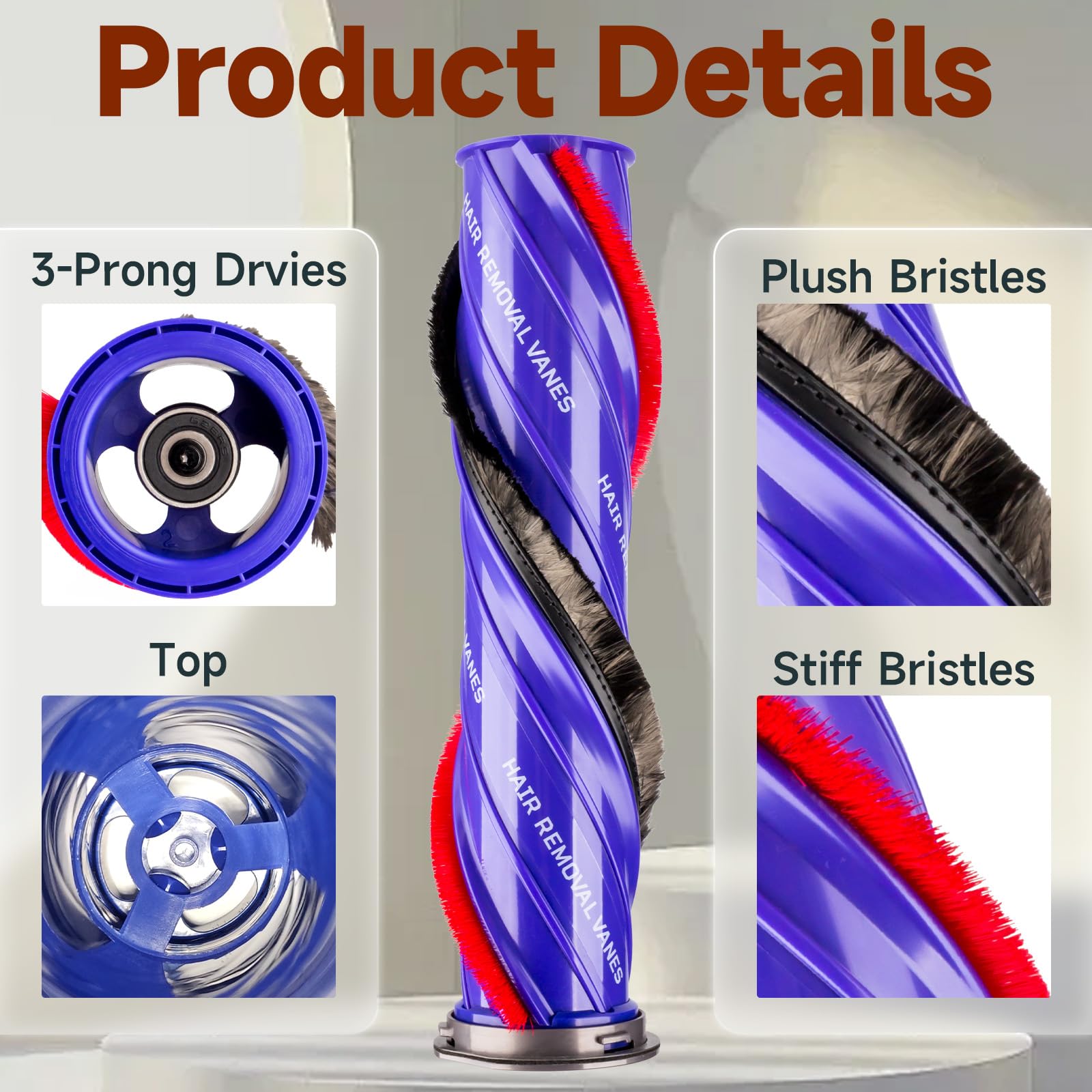
A non-spinning brush roll usually means a loose electrical connection. Re-seat the head firmly and clean the contact points. Remove any hair or string tangled around the brush ends. If the motor itself is faulty, contact the manufacturer for warranty support.
Head Detaches During Use
If the head falls off mid-cleaning, the latch probably isn’t fully engaged. Remove the head and reattach it, making sure you hear a clear click or feel the lock engage. If the locking mechanism feels worn, the head may be incompatible with your wand.
Suction Feels Weak
Weak suction often points to an air leak at the connection point. Press the head firmly onto the wand until it seats completely. Check for clogs in the head, wand, or hose. Blow through the wand to confirm there are no hidden blockages.
Maintain Your New Vacuum Head
Clean After Every Use
Extend the life of your new head by removing hair and string from the brush roll after each cleaning session. Wipe the housing with a damp cloth to clear dust buildup. Clear the suction channel to prevent clogs that reduce performance.
Inspect Monthly for Wear
Check the brush roll for worn or bent bristles. Look for cracks in the housing and loose or damaged latches. Inspect electrical contacts for corrosion. Catching small issues early prevents sudden failure during cleaning.
Store the Vacuum Properly
Avoid leaving the vacuum on its side for long periods, which can bend the brush roll or stress the neck. Store the unit upright or hang it on a wall mount to keep the head in good shape.
Get Help From Manufacturer Support
When to Call for Assistance
If you can’t find a compatible head or the new one isn’t performing correctly, reach out to the manufacturer directly. Have your model or serial number, photos of the connection, and a description of the head type ready before you call. Support teams can often identify parts that aren’t listed widely online.
Contact Details for Major Brands
- Ambiano: Call Aldi Australia at 1300 112 534
- Dyson: Call 1800 239 766 or message via Facebook Messenger at m.me/DysonAustralia
Frequently Asked Questions About Changing a Vacuum Head
How Do I Know If My Vacuum Head Needs Replacing?
Replace the head if you see cracks in the housing, a brush roll that won’t spin after cleaning, a broken connection latch, or motor failure in a powered head. If the brush roll is simply jammed with hair, cleaning it may restore function without needing a replacement.
Are Vacuum Heads Universal Across Brands?
No, vacuum heads are not universal. Even within the same brand, different model series use unique connection systems. Always match the exact model number, connection type, and head style (motorized or non-motorized) to ensure a proper fit.
Can I Use a Generic Replacement Head?
Generic heads may work in some cases, but they often have poor suction seals, loose connections, or misaligned electrical contacts. For best results, use a genuine manufacturer part or confirm compatibility through customer reviews before buying an aftermarket option.
Why Is the Brush Roll Not Spinning After Replacement?
The most common cause is a loose electrical connection. Re-seat the head firmly and clean the contact pins with a dry cloth. If the brush roll still doesn’t spin, check for hair tangled around the ends or contact the manufacturer about a possible motor defect.
Where Can I Buy a Replacement Vacuum Head?
Buy directly from the manufacturer for the best fit. Ambiano owners can call Aldi Australia at 1300 112 534, and Dyson owners can visit the support site or call 1800 239 766. Online marketplaces also carry replacement heads, but search using your full model number and verify fit through customer reviews.
How Long Does a Vacuum Head Typically Last?
A well-maintained vacuum head can last for several years. Lifespan depends on usage frequency, floor types, and how often you clean the brush roll and housing. Regular maintenance and timely replacement of worn parts extend the life of both the head and the entire vacuum.
Key Takeaways for a Successful Vacuum Head Replacement
Replacing a vacuum head doesn’t require special tools or technical expertise, just careful attention to compatibility and connection details. Start by identifying your exact model number and inspecting the old head for stamped part numbers. Match the connection type, choose a genuine replacement when possible, and follow the installation steps to secure a tight, functional fit. Test the new head on multiple surfaces to confirm full performance before putting the vacuum back into regular use.
Your next step: gather your model number, check the connection type on your current head, and order the matching replacement today so you’re ready for a quick swap the moment your old head gives out.